
Kava vs Kawakawa and the Maori memories of kava
Many people wonder whether there is any connection between the kawakawa plant (Piper excelsum) and kava (Piper methysticum). The two plants do not only have similar names, they also look similar. Is this just coincidence, or are the two plants related in a way that tells us something about Māori knowledge of kava?

The kawakawa plant, Piper excelsum.
A Polynesian memory of kava
Dr Vincent Lebot, author of Kava: The Pacific Elixir, The Definitive Guide to Its Ethnobotany, History, and Chemistry (a truly excellent book), argues that the kava plant was almost certainly known to the first settlers of Aotearoa. It is also possible that, just as the Polynesian migrants who settled in Hawaii did, the Māori explorers brought some kava with them. Most of New Zealand is simply too cold for kava to grow, and so the Māori settlers lost their connection to the plant. But some traces of the memory of kava have survived.
According to Dr Lebot:
In New Zealand, where the climate is too cold for kava, the Māori gave the name kawa-kawa to another Piperaceae, M. excelsum, in memory of the kava plants they undoubtedly brought with them and unsuccessfully attempted to cultivate. The Māori word kawa also means "ceremonial protocol", recalling the stylised consumption of the drug typical of Polynesian societies.
A different plant with different traditional uses
Kawakawa is related to kava, but unlike its tropical cousin it does not have the famously calming character that comes from kavalactones. It has, however, long featured in Māori traditional practice. According to Te Papa Museum:
Kawakawa has been recorded as being used internally to tone the kidneys and help with stomach problems. Externally it was used for cuts, wounds, boils, abscesses, and nettle stings. It was also used for rheumatism and other aches and pains including toothache. When kawakawa is thrown on a campfire and burnt it reputedly keeps mosquitoes away.
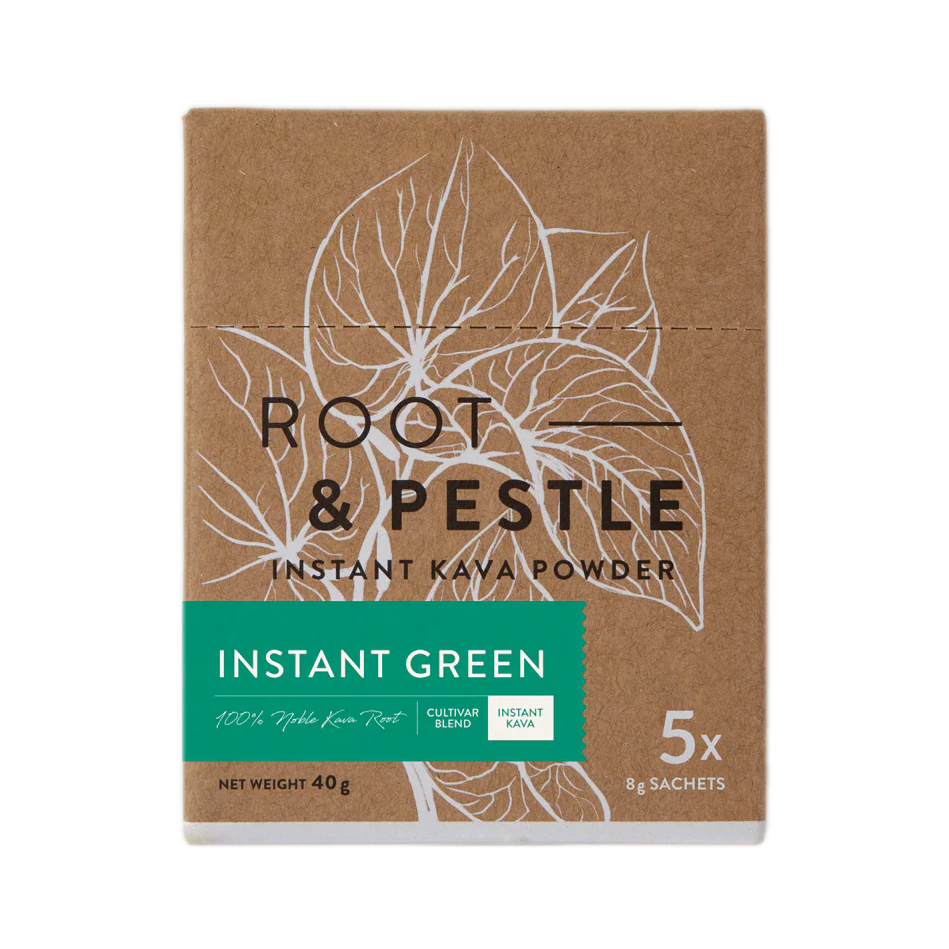
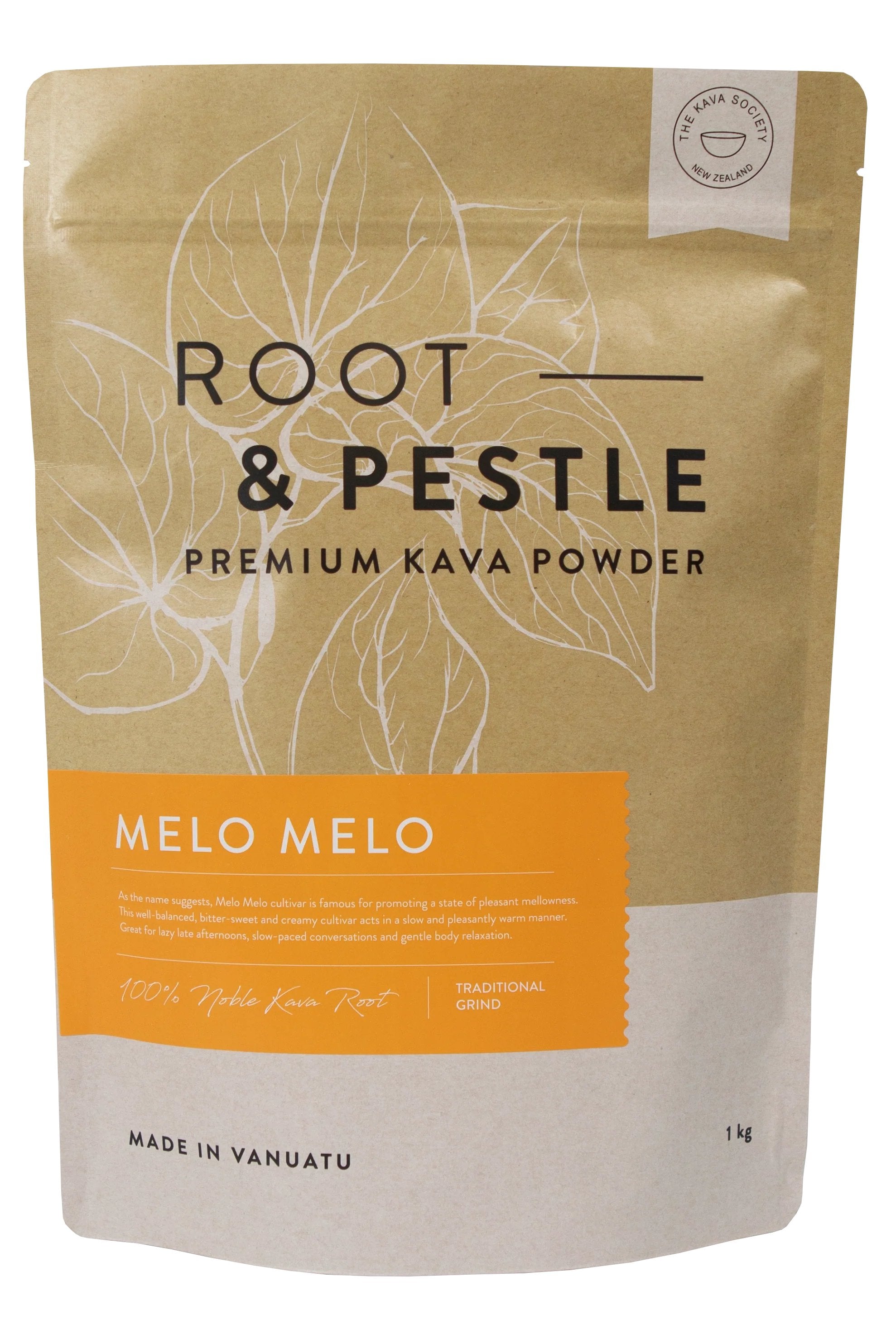
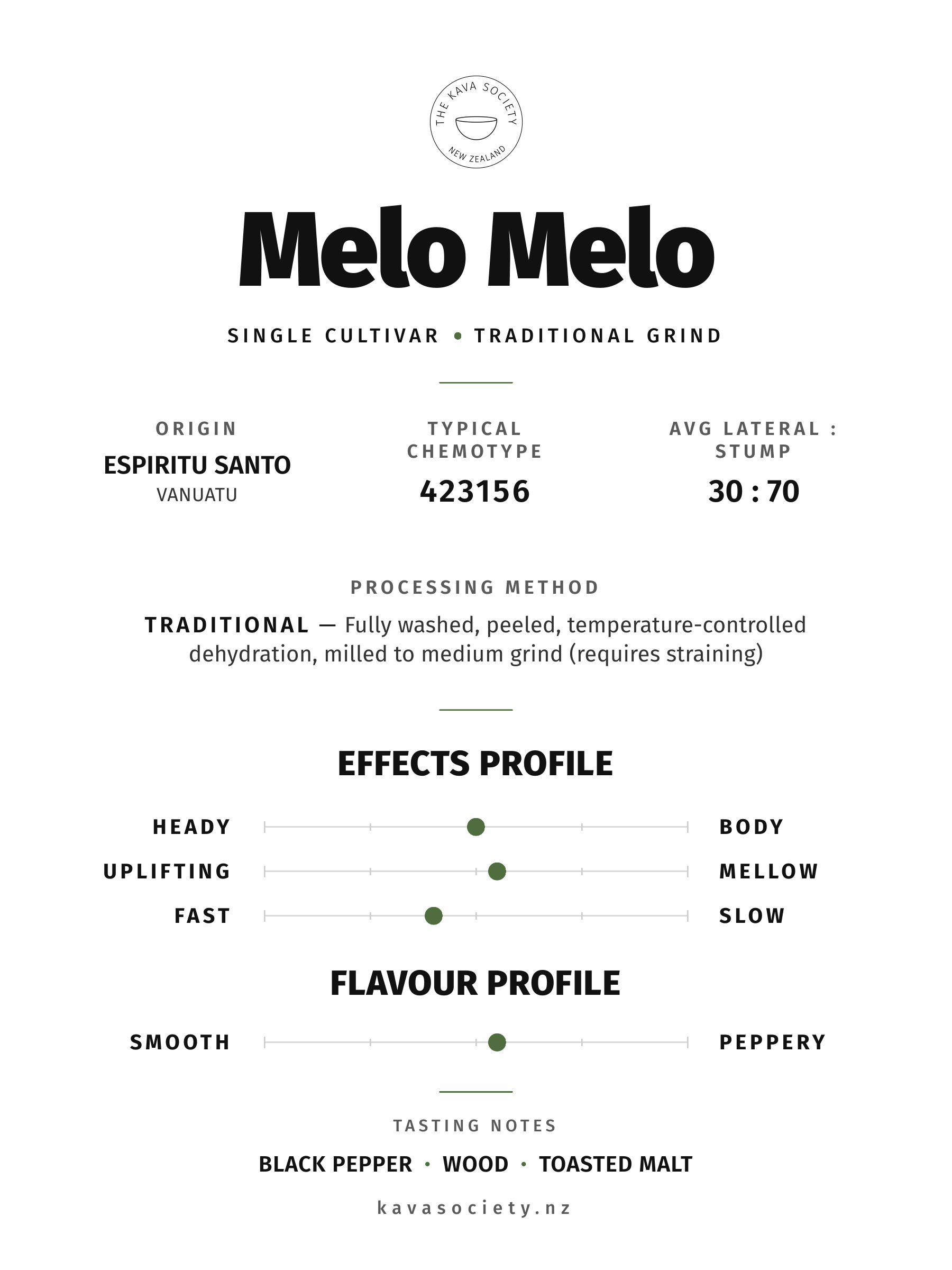
The two plants are botanical cousins, but they are not interchangeable, and our products are pure noble kava (Piper methysticum) sourced from Vanuatu. If you are interested in the wider Pacific story behind kava, our profile of Espiritu Santo is a good place to start, and our interview with Dr Lebot goes deeper into the science.
If you are new to kava and curious to try it, our quick guide for new drinkers is a good place to start.





%20and%20kava%20(Piper%20methysticum).%20The%20two%20plants%20do%20not%20only%20have%20similar%20names,%20they%20also%20look%20similar.%20I...)
Leave a comment
This site is protected by hCaptcha and the hCaptcha Privacy Policy and Terms of Service apply.