Types and Forms of Kava
Introduction and Our Experience
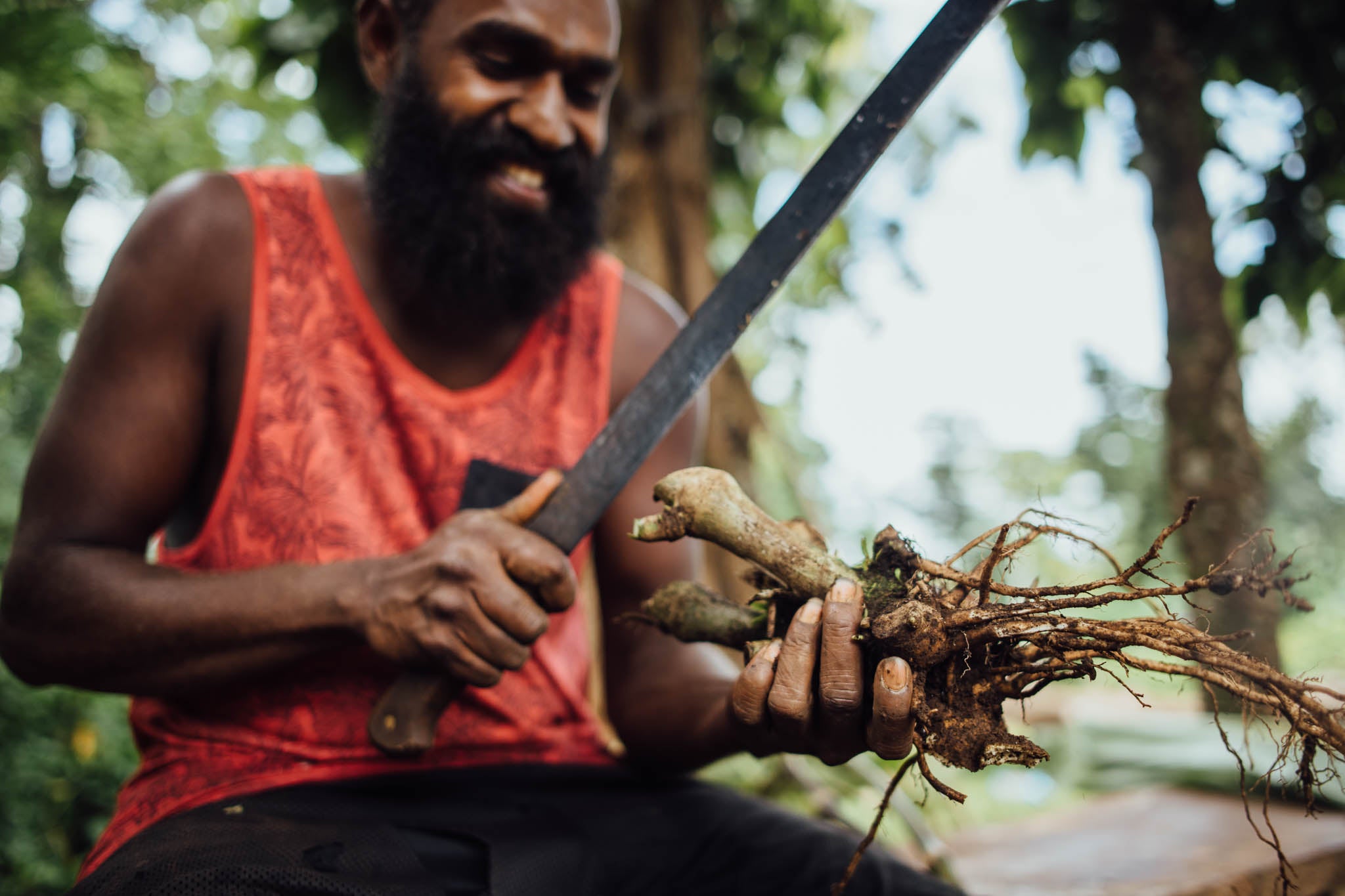
Kava was originally drunk fresh ("green"), immediately after harvest, and this practice continues in its birthplace, Vanuatu. However, green kava spoils quickly unless frozen, and preparing it from freshly dug roots can be labour-intensive. Outside traditional villages in Vanuatu, people rely on more modern forms of kava, predominantly dried kava.
Kava processing can diminish its natural aromas, taste, and character, especially when not properly cleaned or dried in a controlled environment. From the early days of our Auckland University Kava Society, we noticed a significant quality difference between fresh green kava in Vanuatu and the kava powders available in New Zealand and globally. To put it simply, it was like the difference between juice freshly squeezed from ripe fruit versus juice made from old, spoiled fruit left to dry on the counter, crushed to powder, and mixed back with water. Given the industry's typical processing (kava poorly cleaned, dried on rooftops, crushed in non-food-grade environments), this wasn't surprising. We thought we could do better.
Our mission became to collaborate with partners in Vanuatu to develop methods that turn freshly harvested green kava into powders retaining far more of the freshness, aroma, and character of green kava than any powders on the market. It's been a long process, but we believe our kava products are now as close to freshly harvested green kava as modern technology allows. You can read more about our process here.
We offer our kava in two forms: traditional ground powder and instant kava. Below, we describe both forms in detail, along with two other forms we used to offer but no longer carry, included here for educational context.
How the kava is processed.
The Two Forms We Offer
Traditional Grind
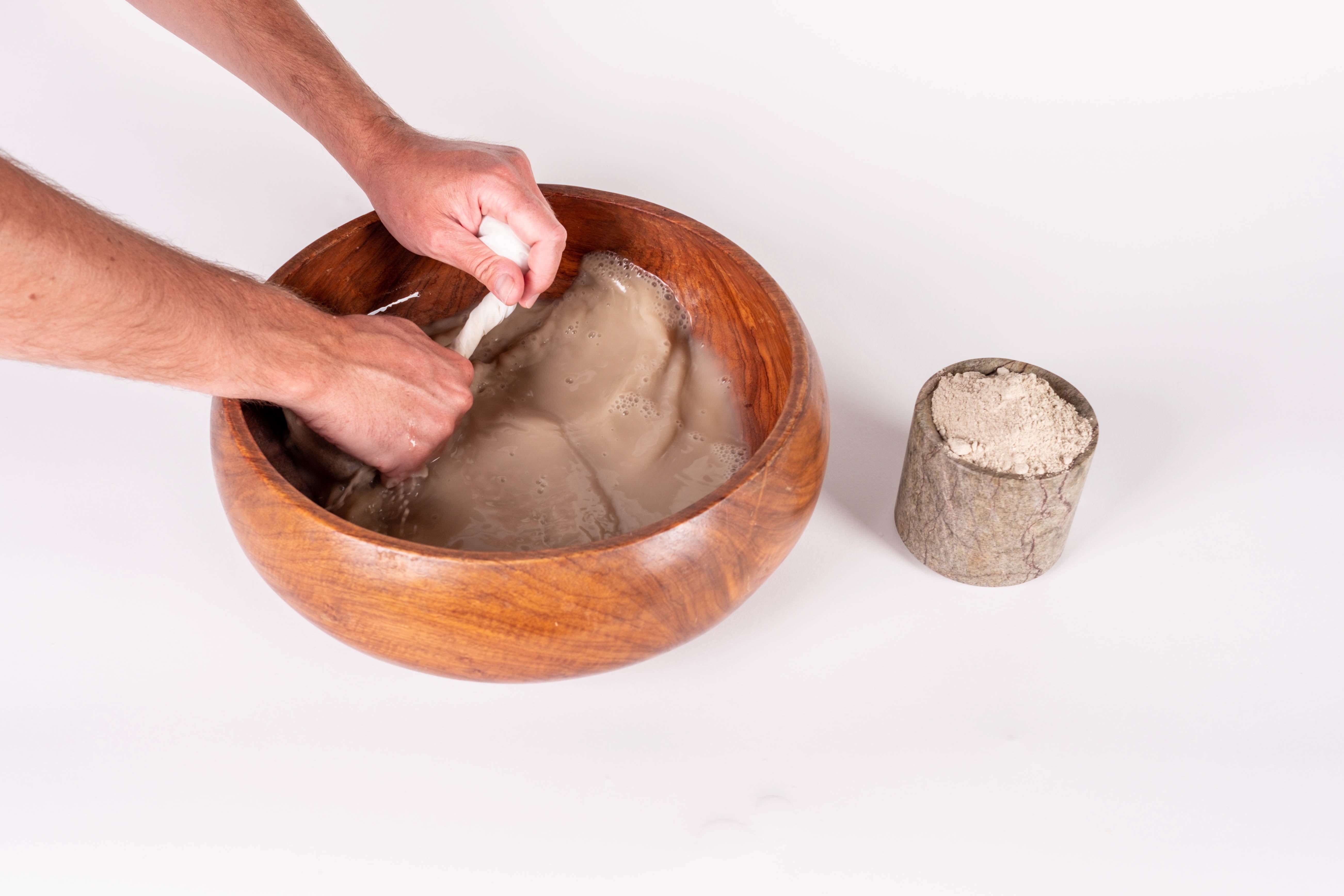
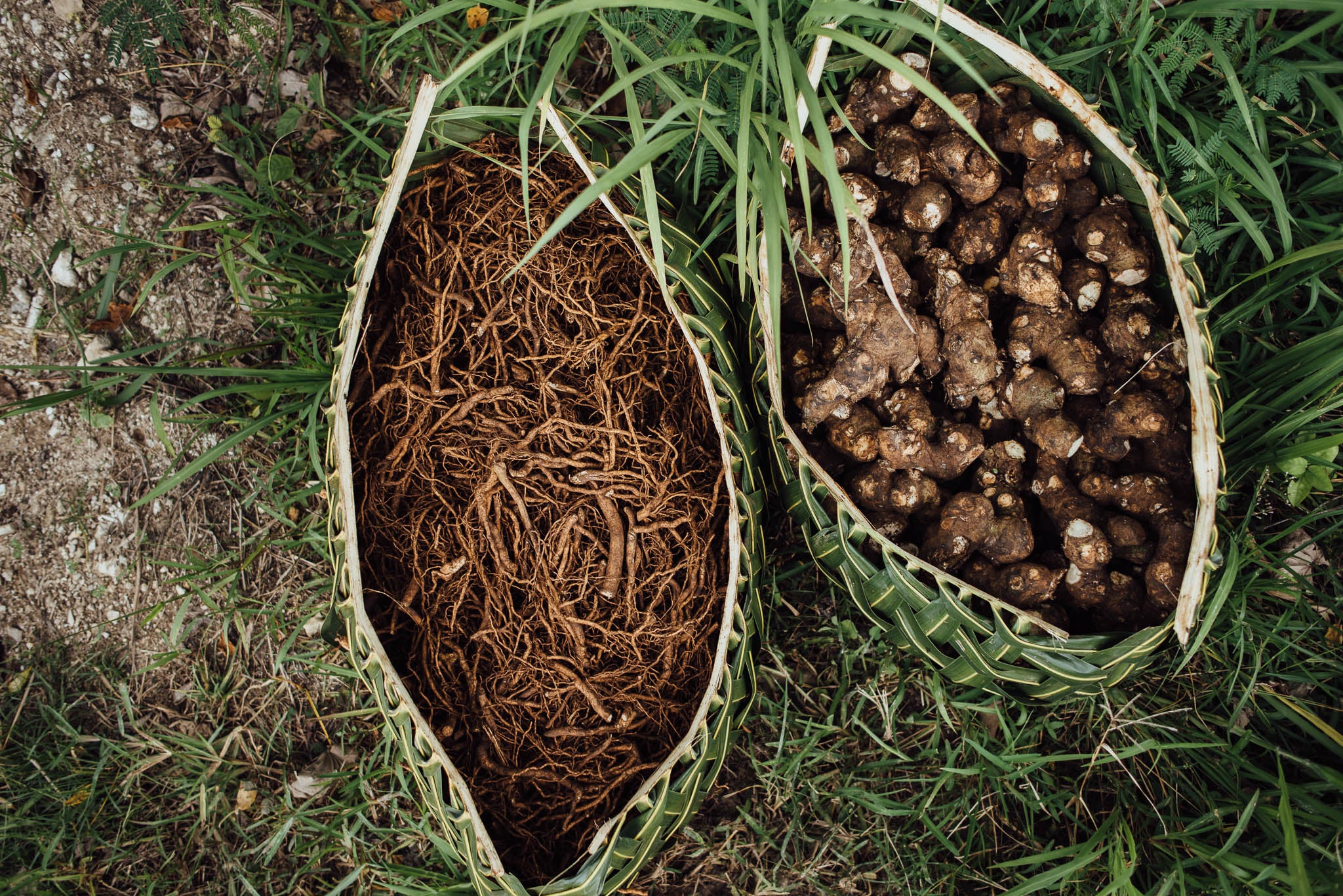
The classic form of kava roots, for those who appreciate the traditional way of preparing kava. Our roots are processed directly from freshly harvested, carefully cleaned and peeled material, dried in a controlled environment to preserve taste, aroma, and character, then ground into a medium-grind powder. Kava root contains insoluble, woody fibres (known in Vanuatu as makas) that are traditionally strained out before drinking. See our preparation guide for the full method.
Shop Traditional Grind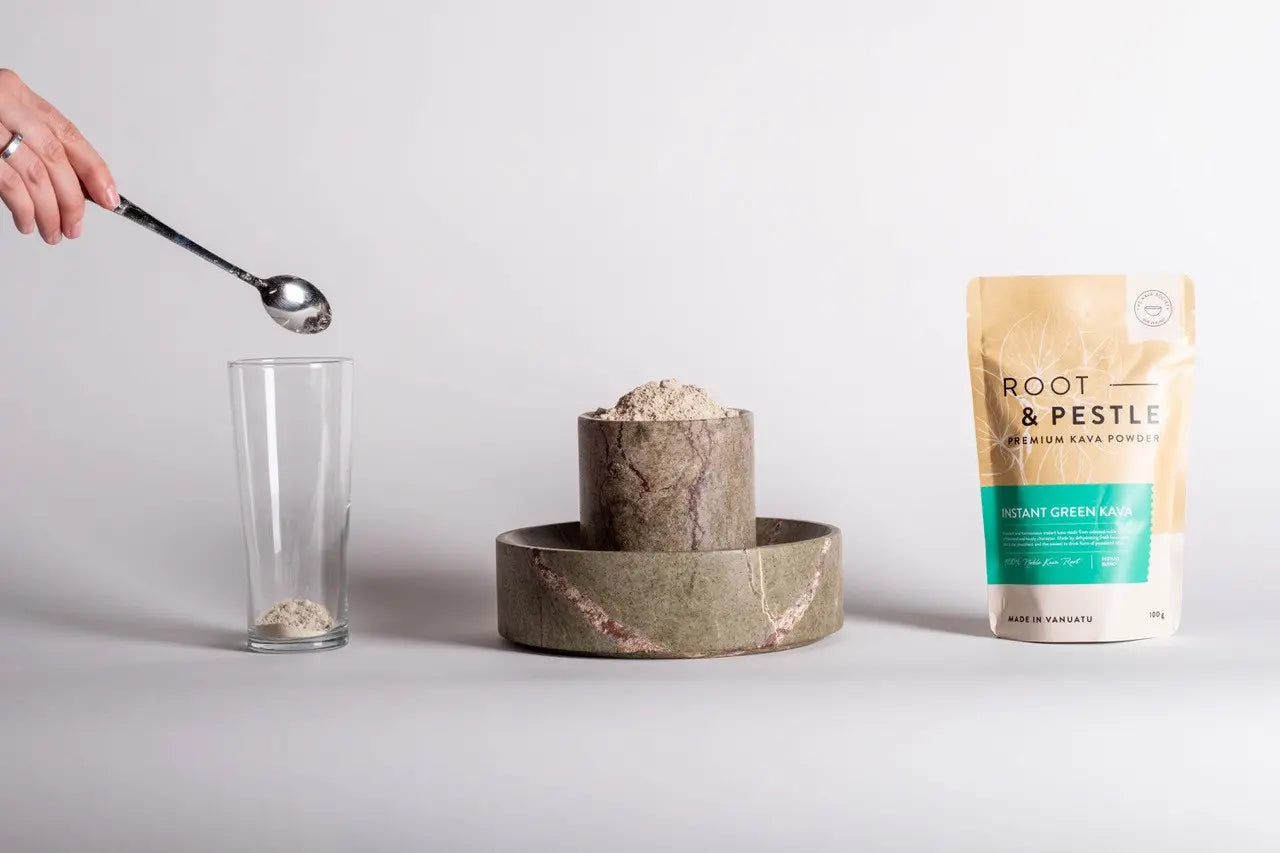
Instant Kava
A great option for beginners, those who prefer to skip traditional preparation, and seasoned drinkers looking for convenience. Made from the same freshly harvested roots as our Traditional Grind, but with the hard fibres separated before drying. The remaining root is milled into an ultra-fine powder that can be mixed directly with water, no straining or kneading required. More expensive than traditional grind due to the additional processing, but the smoothness and convenience are unmatched.
Gram for gram, instant is stronger than traditional grind, since the fibre has been removed. Follow the guide ratios and you get an equivalent cup either way.
Shop Instant KavaWhat About Other Forms?
Two forms you may have come across elsewhere, and where we sit on each.
As the name suggests, this form is simply pre-made kava that can be enjoyed without any additional preparation, the most convenient form of kava. We used to sell shelf-stable, ready-to-drink kava made from either fresh (green) roots or from our dry powders. Due to the COVID-19 pandemic and logistical challenges involved with sourcing green kava, we suspended production of our bottled kava in early 2020.
Currently, the only way to buy ready-to-drink (though no longer shelf-stable) pure kava in New Zealand is to order from our friends at the Four Shells Kava Lounge in Auckland.
As noted above, kava root contains coarse woody fibres (makas) that are traditionally removed before consumption. With Traditional Grind, this is done by straining; with Instant Kava, the fibres are separated before drying. Micronised kava takes a different approach: the dried root is simply ground so finely that the fibres become small enough to theoretically drink without straining. However, you're still consuming a significant amount of indigestible fibre, which many people find hard on the stomach.
For this reason, we've chosen not to offer micronised kava. We understand the vast majority of people could enjoy small amounts without any discomfort, but for a small minority (many of whom were first-time users attracted by the lower price and convenience) it was causing issues and ultimately affecting their experience with kava.
Cultivar character. Kava cultivars vary in their balance of active compounds, which produces three broad character profiles.
Types of Kava
For over 3,000 years, Pacific Island farmers have selected and cultivated kava for specific qualities. There are many distinct cultivars, each with its own combination of kavalactones. Together with preparation method and potency, this combination determines a cultivar's character. We can loosely differentiate between three broad types.
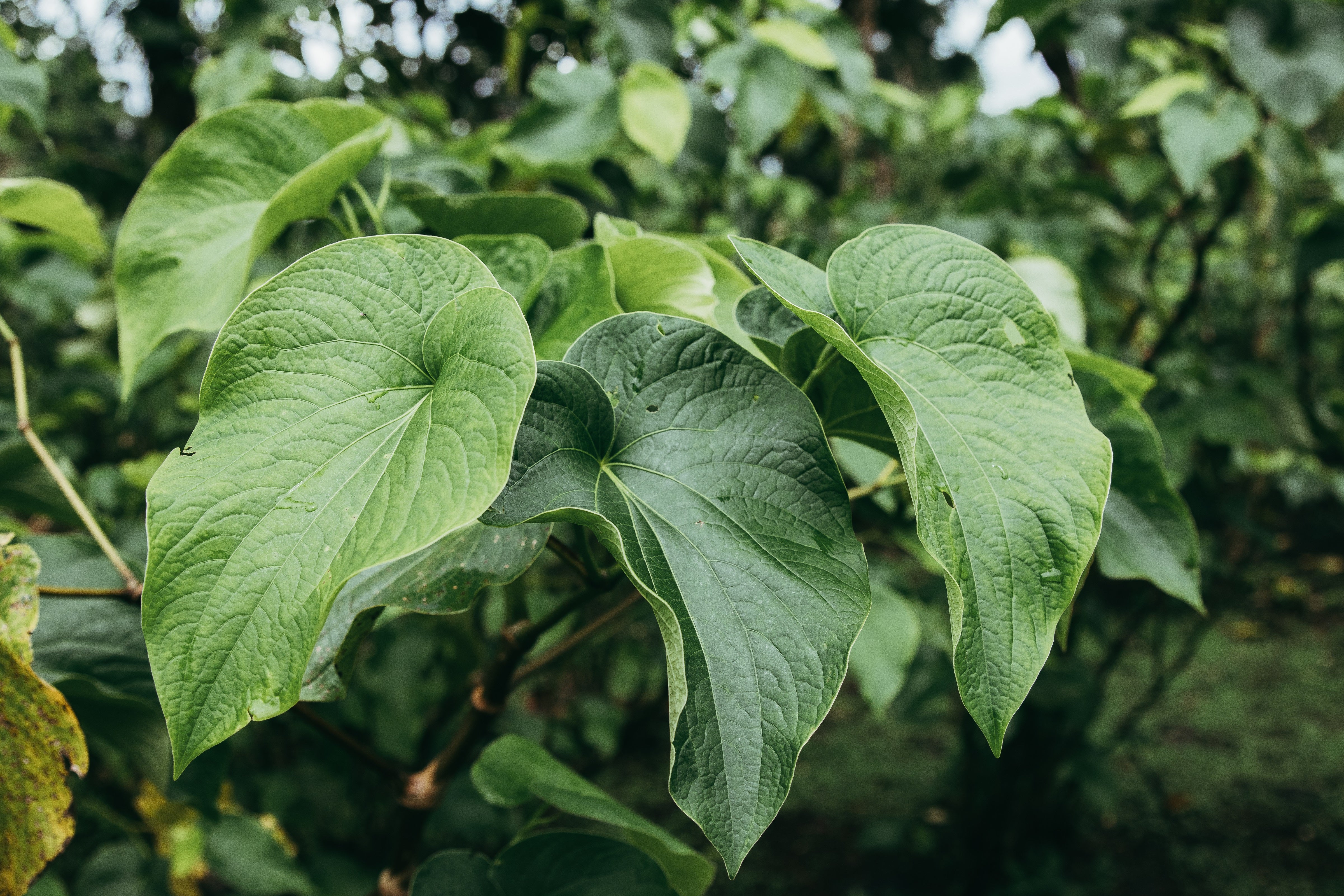
Heady / Quick Acting
Cultivars with higher concentrations of kavain and yangonin (mostly those with numbers 4 and 3 closer to the left of their chemotype) are traditionally described as having a more cerebral, uplifting character. These cultivars are often favoured for daytime (late afternoon) drinking and social gatherings, as they're associated with mental clarity and conversation. Heady kavas are generally quick-acting with a relatively short duration, popular for focused sessions and creative work.
Balanced
Balanced cultivars sit between heady and heavy, offering a versatile character that suits various occasions. These are the most popular kavas and often recommended as a starting point. Their well-rounded profile makes them approachable for beginners while remaining satisfying for experienced drinkers exploring the full spectrum of kava character.
Our favourite balanced kavas: Pacific Elixir, Instant Green, and Melo Melo.
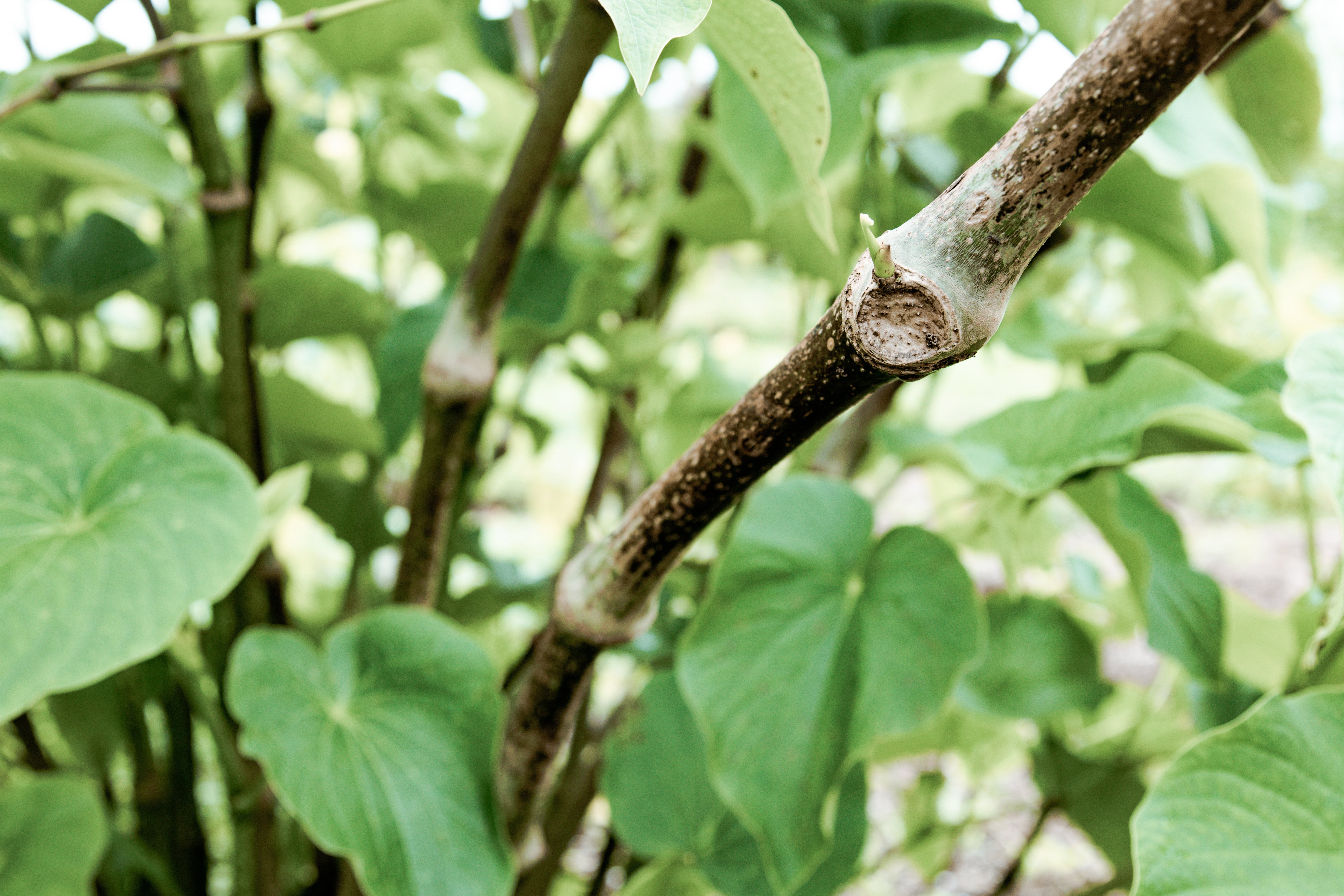
Heavy
Cultivars with higher concentrations of dihydrokavain, dihydromethysticin, and methysticin (those with 2, 6, and 5 closer to the left, with 2 and 6 being far more desirable than 5) are traditionally described as "heavier." These are known for a more grounding, full-bodied character that Pacific Islanders often describe as affecting the body more than the mind. Heavy kavas typically have a slower onset, longer duration, and slightly more bitter taste. Traditionally favoured for evening drinking and unwinding after physical work.
Our favourite heavy kava: Borogoru.
Why Our Kava Is Different
Whichever form or type you choose, what makes our kava distinct is how it's grown, processed, and tested. Hand-selected fresh from Vanuatu, peeled and cleaned by hand, dried using proprietary methods, and tested batch-by-batch.
Ready to drink? Read our preparation guide, browse the full shop, explore our single cultivar range, or get in touch for a personal recommendation.

Organically Grown Noble Kava
100% pure noble kava from pristine volcanic soils. Our farmers cultivate specific single cultivars in regions best suited for each variety. Each plant matures for at least three years using traditional organic farming methods passed down through generations.

Always Processed from Fresh
Each batch is made from kava harvested to order, never from old village-dried stock. Plants are inspected on arrival for the right cultivar, for freshness, and for contamination. Anything that doesn’t pass is rejected.

Cleaned and Dried to Fresh Perfection
Freshly harvested roots are meticulously cleaned and dried using bespoke methods developed over years of research and refinement. The process preserves potency, fresh aroma, and active compounds. Each batch is then vacuum-sealed or nitrogen-flushed to lock in freshness.

Every Batch Tested
Our kava undergoes comprehensive testing using UHPLC analysis (superior to standard HPLC), full microbiological screening, and chemotype verification in an advanced in-house laboratory. Every batch comes with complete certificates of analysis and exceeds FSANZ Standard 2.6.3 requirements.
Check out our Certificates of Analysis