
Best kava chasers
While there are real differences in taste and aroma between kava cultivars and products, most people find kava in general to be quite bitter, and a few find it outright unpleasant. Certain cultivars (Vanuatu's Palarasul, Kelai, Bir Kar; Tongan White Kava; Fiji's Qila Leka; Hawaiian Mahakea) can have a complex, interesting, almost enjoyable tasting profile, particularly when properly cleaned and peeled (as the kavas we offer through our shop are). Still, few kava connoisseurs drink kava for its taste alone. Most drinkers look for ways to counter kava's bitterness without losing its character or its effects.
The case against mixing kava with other things
Some drinkers add flavourings to their traditionally prepared kava. Others prepare it with milk or coconut milk instead of water. A few mix instant kavas with their favourite juice. These approaches can suit beginners, or those who want to drink only small amounts, but more experienced drinkers usually avoid mixing kava with other drinks or foods. The reasons:
- Consuming a lot of sweet liquid to mask the kava taste gets unpleasant in its own right by mid-session.
- Mixing kava with other foods takes away an important part of the experience, particularly when the kava itself has been carefully processed.
- Some drinkers feel mixing kava with other foods or drinks blunts its character.
If you would still rather sip on a flavoured drink than chase your shells, our Root & Pestle research on adding fats is worth a read. The short version: adding milk, coconut milk, or oils tends to make the drink weaker rather than stronger.
Use a chaser, not a mixer
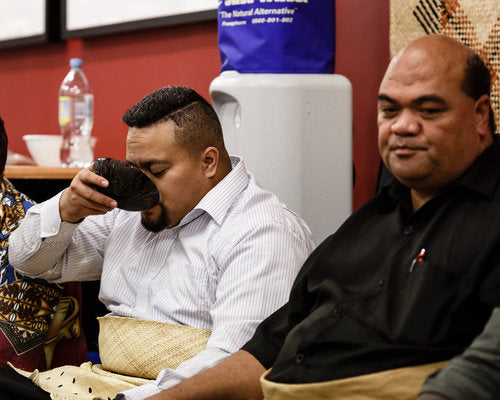
The more popular approach among experienced kava drinkers is the chaser: a drink or snack consumed between quick servings of kava, not stirred into it. As you probably know, kava should never be slowly sipped. The way to drink it is to consume half-cup-sized shells in two or three quick gulps. Once you have drunk a rich shell of kava you can sit with the flavour for a few seconds, then reach for your chaser.
Fresh fruit
In the urban kava bars of Vanuatu, fresh fruit slices are sold as chasers, and they work beautifully. Pineapples, mangoes, and papaya are particularly good in the tropical setting. In New Zealand, apples and pears do the trick. A bite of apple between shells cleanses the palate and many drinkers feel it complements the overall experience well.

Apples, especially New Zealand apples, make an excellent kava chaser.
Fruit juice and coconut water
Fresh real fruit juice between shells is another option, and coconut water in particular is a favourite in many nakamals. Both keep the palate cleansed without overwhelming the kava itself. Avoid concentrated cordials and overly sweet bottled juices; the heavy sweetness tends to clash with the kava.
Herbal tea
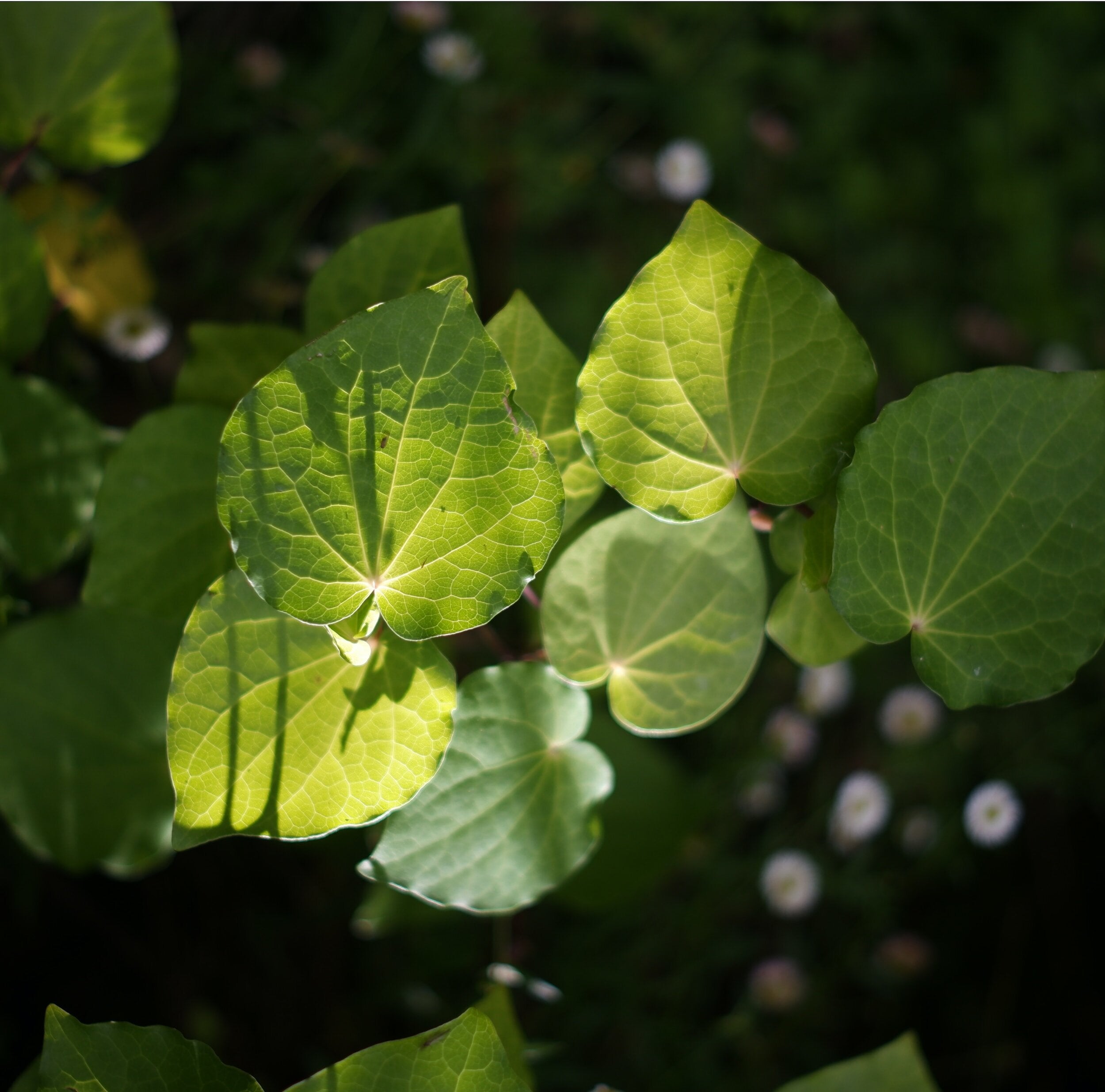
Drinkers who want to combine good flavour with a bit of warmth often turn to strong herbal tea between shells. Our personal picks are peppermint, ginger, or kawakawa, on their own or as a mixture. The warmth helps the kava feel a bit smoother on the stomach, and the herbal flavours sit comfortably alongside the kava character rather than fighting it.
What to skip
We do not generally recommend sparkling beverages as chasers. Carbonation tends to feel heavy on the stomach in the middle of a kava session. Stick with still, natural drinks.
A note on timing
Whatever you choose, remember that kava is best enjoyed on a relatively empty stomach, ideally three to four hours after a meal. Light food after a session is fine, but a heavy meal beforehand tends to dull the experience.
Bula.
Related reading
- How to make your evening kava session great
- What is the right amount of kava?
- Different ways of drinking kava
If you're new to kava and not sure where to start, our quick guide for new drinkers is a good place to begin.






Leave a comment
This site is protected by hCaptcha and the hCaptcha Privacy Policy and Terms of Service apply.