The Kava Blog

Meet the island: Espiritu Santo, the home of (most of) our kava
Espiritu Santo is where most of our kava is grown and all of it is processed. In this post we take a closer look at the island, its colourful history, and the farmers who grow the kava you drink.
Read more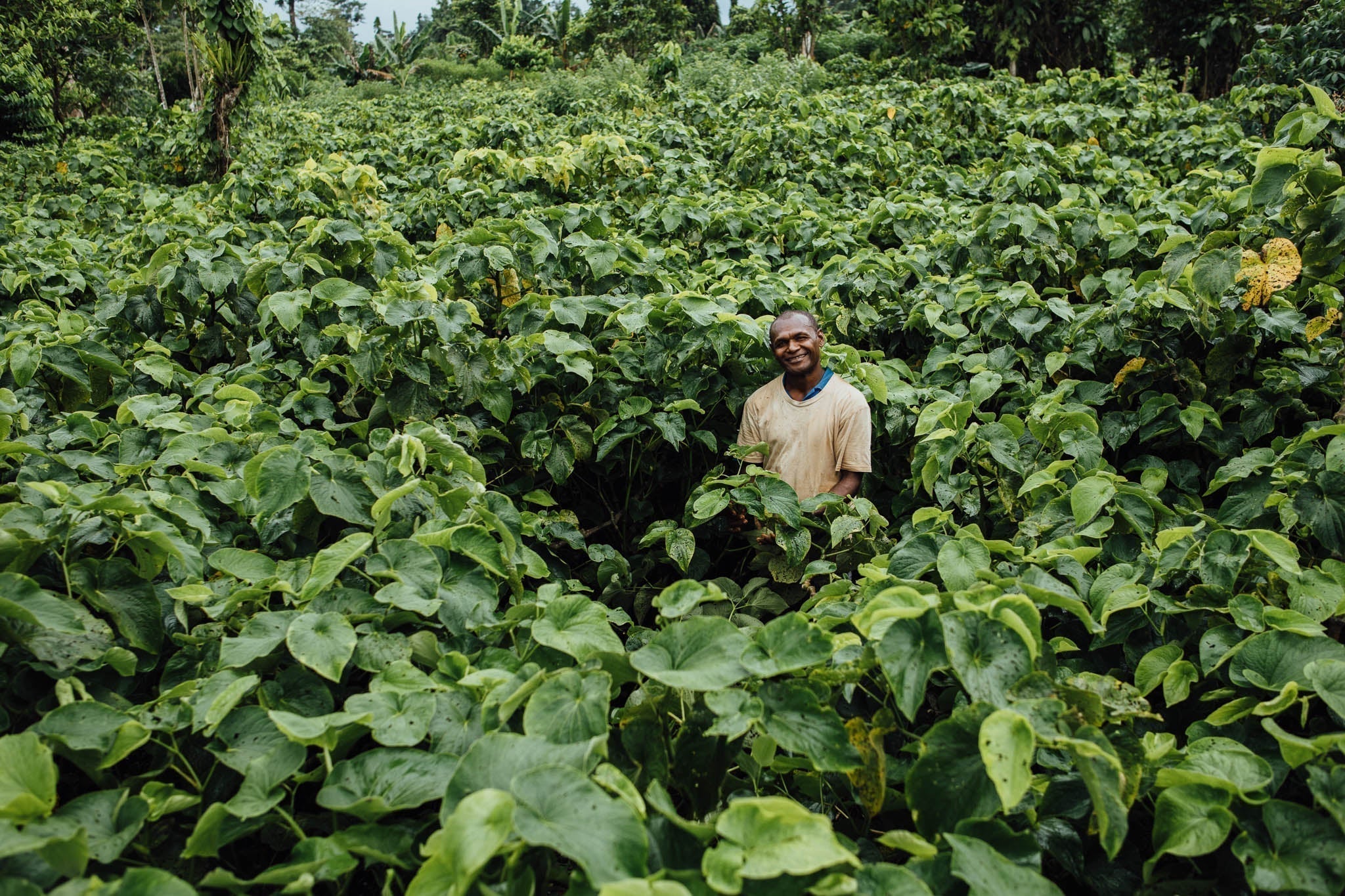
What determines the price of kava? Can good kava be cheap?
From cutting to cup, kava takes years of patient farming and many quality decisions to produce. We explain what actually determines kava pricing, why quality can never be dirt cheap, and how to spo...
Read more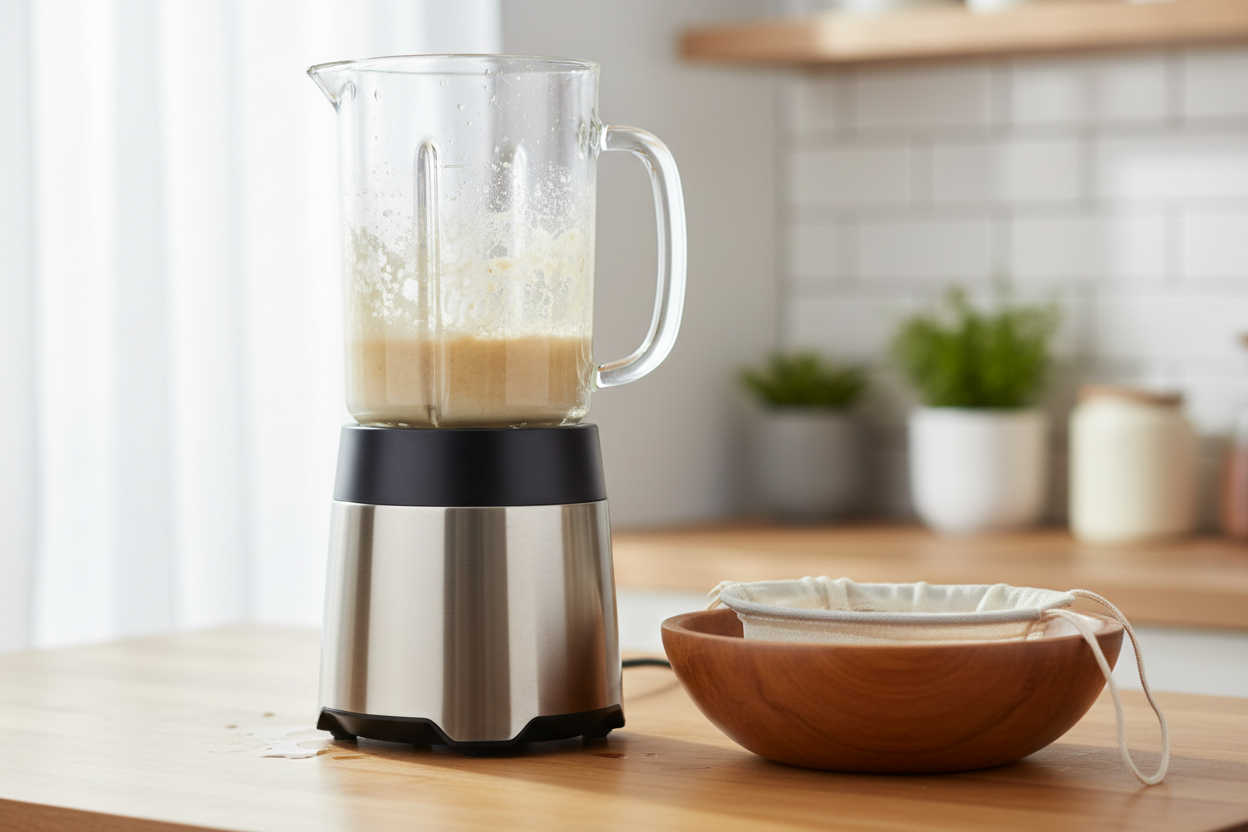
The blender method vs kneading kava in a strainer: surprising findings
Root & Pestle's lab tested the blender method against hand-kneading and the results favour the traditional squeeze. Blending pulled about 86% of the kavalactones a moderate hand squeeze achieve...
Read more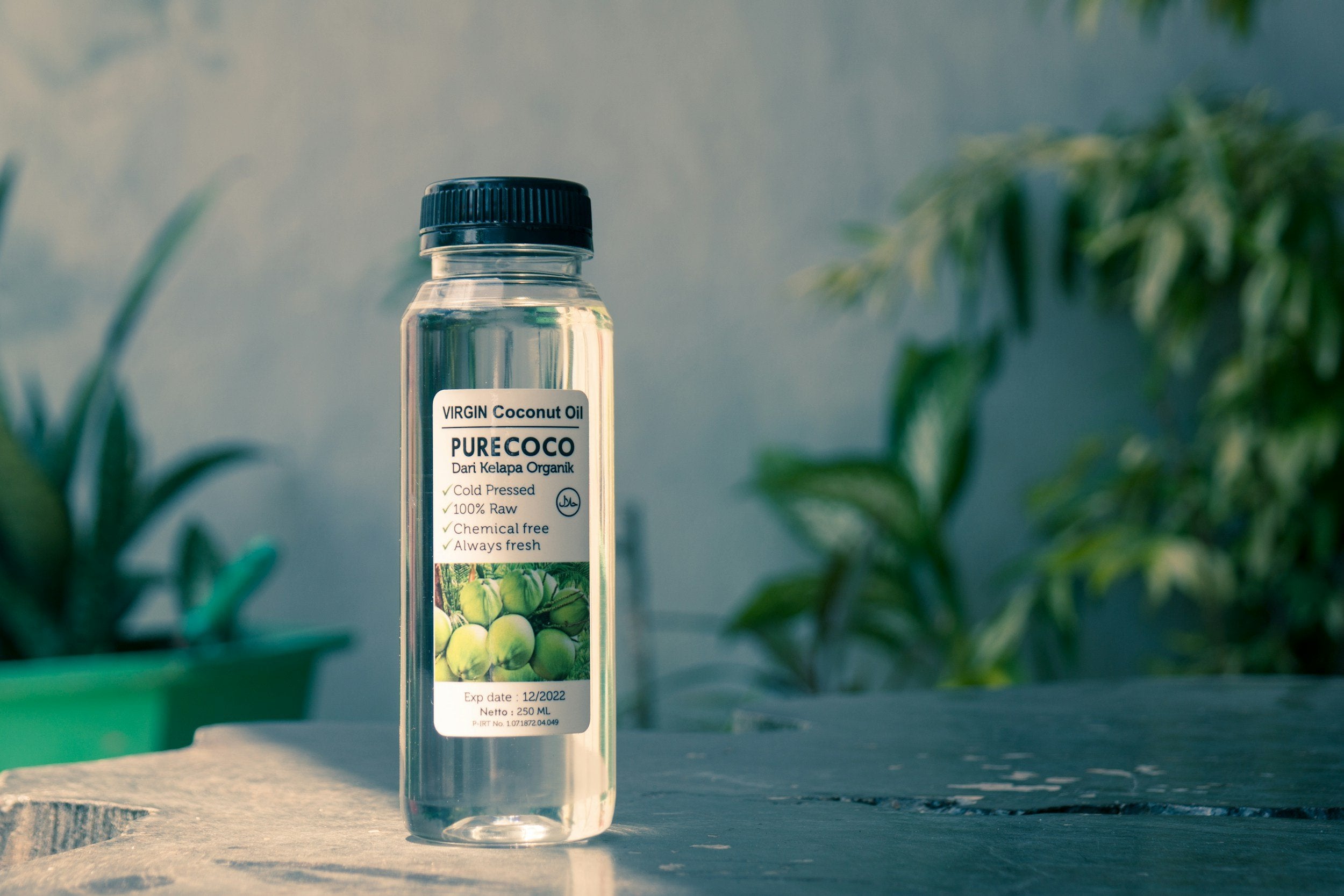
Should you add fats to kava to get a stronger drink?
If you spend any time researching kava preparation online, you will encounter claims about the benefits of adding coconut oil, coconut milk, or dairy to the squeeze. Root & Pestle tested 36 sam...
Read more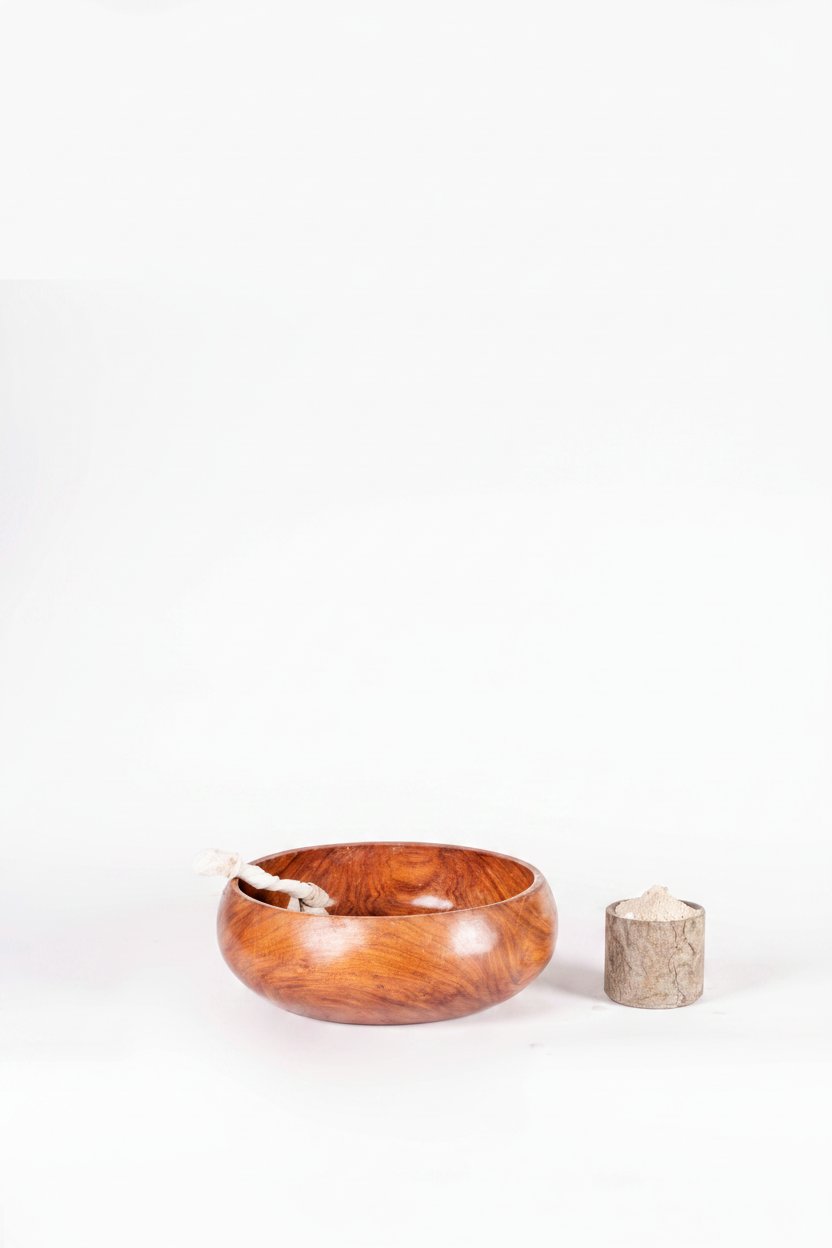
Best water temperature for making kava
What is the best water temperature for making kava? The Australia New Zealand Food Standards Code specifies "cold water", a fairly vague term. We have long recommended around 30 degrees Celsius (cl...
Read more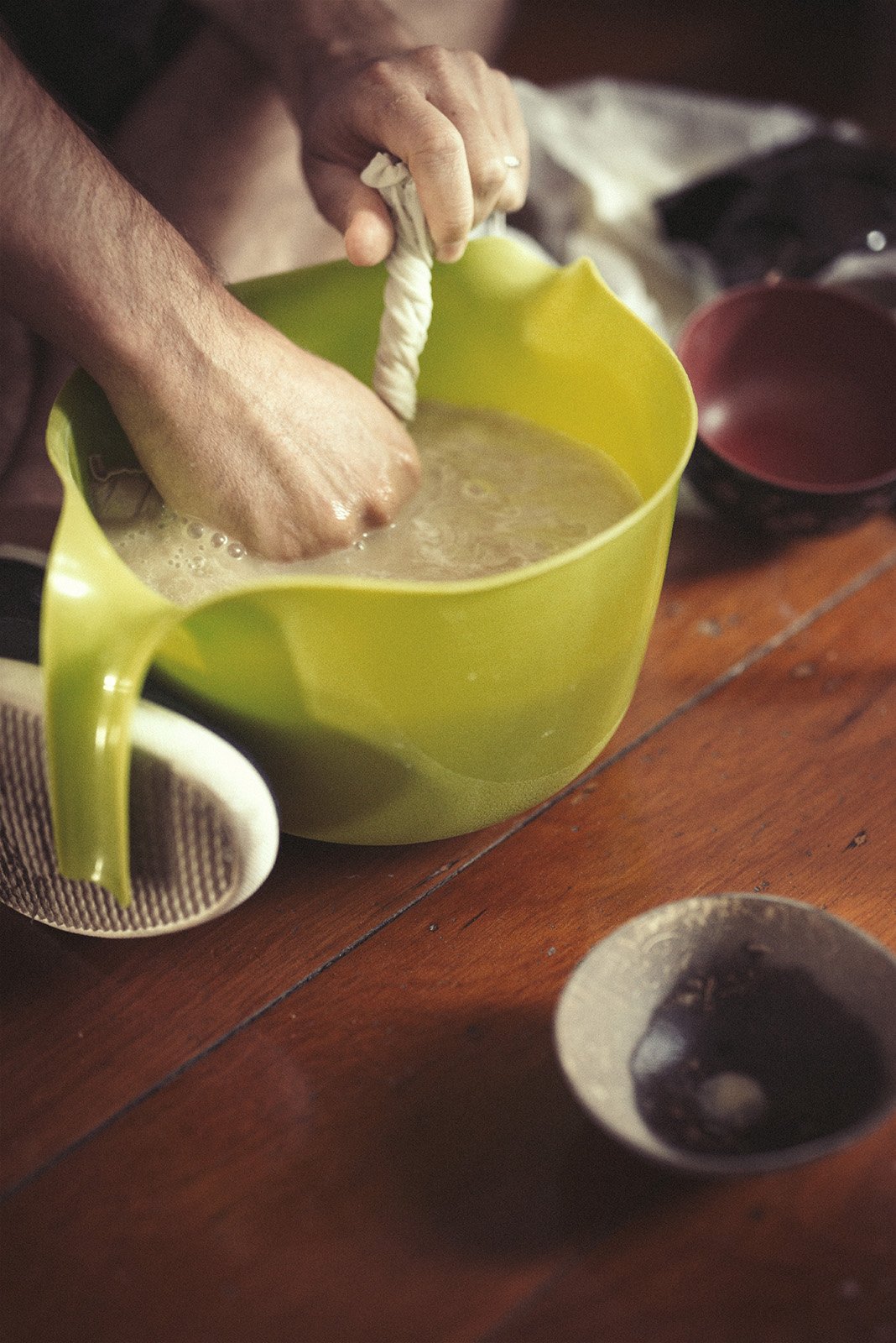
Optimal kava kneading and preparation time
How long do you really need to knead a bag of kava? Our experience has long pointed to around 5 to 7 minutes, but we had no hard data. Root & Pestle's UHPLC analysis across 30 squeeze-time tria...
Read more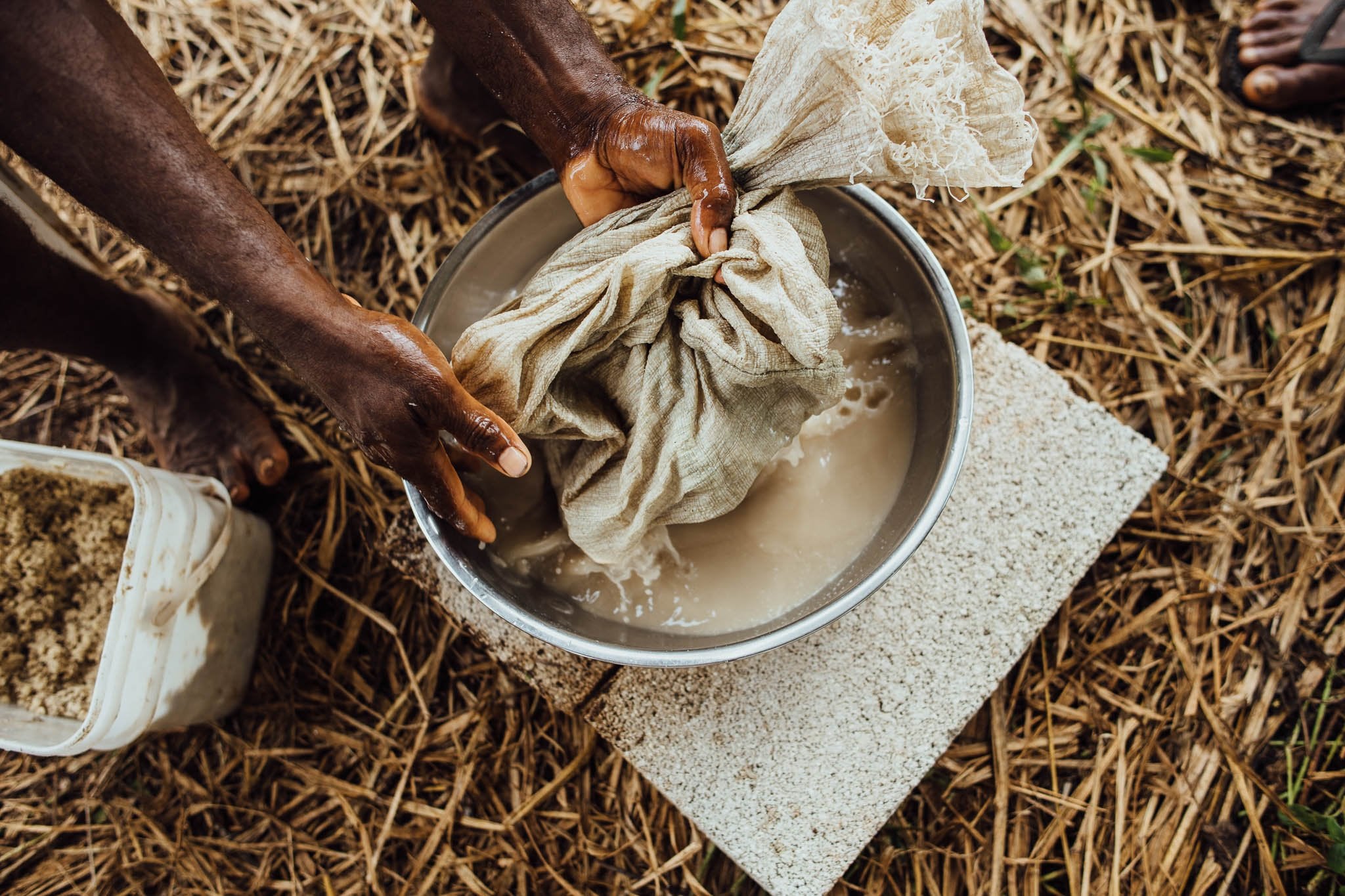
Kneading kava: the science behind efficient traditional preparation
How much kavalactone content actually ends up in your shell? Root & Pestle ran eight sequential 5-minute squeezes on the same bag of kava in fresh water each time. The first squeeze pulled 51.1...
Read more
Kavalactone extracts vs traditional kava: what you need to know
We're often asked whether we sell kava extracts. The answer is no, for three reasons: New Zealand law, the unresolved safety story behind the European cases of the early 2000s, and the simple fact ...
Read more
When less is more: making the most of your kava with the right ratio and pace
How you prepare and drink your kava can matter as much as which kava you choose. The same powder, prepared at a different ratio and consumed at a different pace, can produce very different experien...
Read more
Silesse: a contemplative noble cultivar from Malekula
A guest post from Root & Pestle profiling Silesse, a rare and prized noble cultivar from the island of Malekula in Vanuatu. Includes the story of the cultivar, its chemotype, and an interview w...
Read more
Organically Grown Noble Kava
100% pure noble kava from pristine volcanic soils. Our farmers cultivate specific single cultivars in regions best suited for each variety. Each plant matures for at least three years using traditional organic farming methods passed down through generations.
 Organically Grown Noble Kava

100% pure noble kava from pristine volcanic soils. Our farmers cultivate specific single cultivars in regions best suited for each variety. Each plant matures for at least three years using traditional organic farming methods passed down through generations.

Always Processed from Fresh
Each batch is made from kava harvested to order, never from old village-dried stock. Plants are inspected on arrival for the right cultivar, for freshness, and for contamination. Anything that doesn’t pass is rejected.
 Always Processed from Fresh

Each batch is made from kava harvested to order, never from old village-dried stock. Plants are inspected on arrival for the right cultivar, for freshness, and for contamination. Anything that doesn’t pass is rejected.

Cleaned and Dried to Fresh Perfection
Freshly harvested roots are meticulously cleaned and dried using bespoke methods developed over years of research and refinement. The process preserves potency, fresh aroma, and active compounds. Each batch is then vacuum-sealed or nitrogen-flushed to lock in freshness.
 Cleaned and Dried to Fresh Perfection

Freshly harvested roots are meticulously cleaned and dried using bespoke methods developed over years of research and refinement. The process preserves potency, fresh aroma, and active compounds. Each batch is then vacuum-sealed or nitrogen-flushed to lock in freshness.
Every Batch Tested
Our kava undergoes comprehensive testing using UHPLC analysis (superior to standard HPLC), full microbiological screening, and chemotype verification in an advanced in-house laboratory. Every batch comes with complete certificates of analysis and exceeds FSANZ Standard 2.6.3 requirements.
Check out our Certificates of Analysis
 Every Batch Tested

Our kava undergoes comprehensive testing using UHPLC analysis (superior to standard HPLC), full microbiological screening, and chemotype verification in an advanced in-house laboratory. Every batch comes with complete certificates of analysis and exceeds FSANZ Standard 2.6.3 requirements.
Check out our Certificates of Analysis