

Many people tell us they reach for kava in the evening, the way someone else might reach for a cup of chamomile tea or a glass of wine. They describe it as quiet, calming, and free of the next-day grogginess that often comes with manufactured sleep aids. The traditional users of the plant in Vanuatu and Fiji have been drinking it before bed for centuries.
We should be upfront from the start: the formal research on kava and sleep is thin, and we are not in a position to make medical claims about it. What we can do is share what the small body of research suggests, what kava drinkers consistently tell us, and how we use it ourselves.
What the research actually says
A small handful of studies have looked at this question. Two early human trials (one from 2001 and one from 2004) examined kava extracts on sleep disturbances in people experiencing stress or anxiety, and both found kava to be potentially helpful. A later study on sleep-disturbed rats found that kava had both sleep-inducing and sleep-quality improving effects. None of these trials were large or long enough to be conclusive, none used traditionally prepared kava, and none explained the mechanism behind the observed effects. So while the picture is consistent with what kava drinkers report, it's a thin foundation. More research is needed, particularly on the kind of kava that most people in the Pacific actually drink (which is also the form widely recognised as the safest for regular consumption).
Why people find kava useful in the evening
The most likely reason kava helps people wind down has nothing specifically to do with sleep, and everything to do with its well-documented effect on anxiety and stress. Unlike alcohol, kava doesn't dim mental clarity or numb your awareness. It brings a quiet, sociable kind of calm. Many drinkers describe how it slows the loop of worrying thoughts and lets them sit with whatever they were turning over without spiralling into it.
This is why the word "meditation" comes up so often in descriptions of the kava experience. Chris Kilham, a well-travelled writer on plant medicines, describes kava as "replicating some dimensions of the inner peace achieved through meditation". Prof Robert Gregory of Massey University put it more directly: "Kava makes you quiet and able to think and listen to your thoughts. The subjective feeling after kava is to be slowed down. Sometimes it is like entering a light relaxed dream."
Kava won't "knock you out". What it does instead is help you arrive at bedtime already calm, with the day's noise turned down. For people whose sleep is disrupted by an active mind rather than by anything physical, that's often the part that mattered. (We've written more about this contemplative state in our piece on the art of "listening to the kava".)
How to time kava if you're drinking it before bed
In our experience, the best timing is a couple of hours before bed. That gives the calming effect time to settle without leaving you half-alert at the moment you actually want to fall asleep. It's also how kava is traditionally used in Vanuatu: drunk in the late afternoon or early evening, then dinner, then sleep.
A couple of practical notes. Heavy kava on an empty stomach can cause nausea, which is the opposite of restful. Most evening drinkers find that a moderate amount, taken with or just after a light meal, works best. And like with anything new: start with less than you think you need, especially if you're trying kava for the first time.
When to talk to your GP
If your sleep problems are persistent or significant, please talk to your doctor. Kava is a beverage, not a treatment, and many sleep disturbances have causes that a calming evening drink simply isn't going to address. We mention this because it's true, not as a legal disclaimer: we've seen people reach for kava as a workaround for problems that needed real attention.
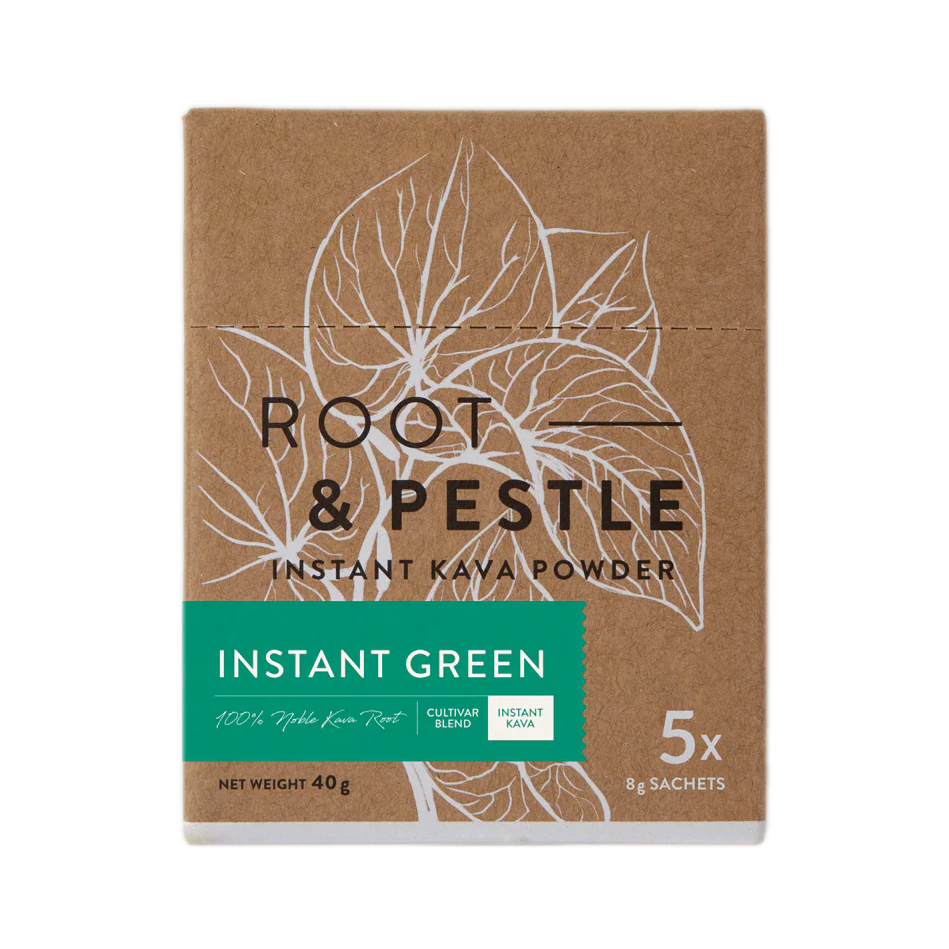
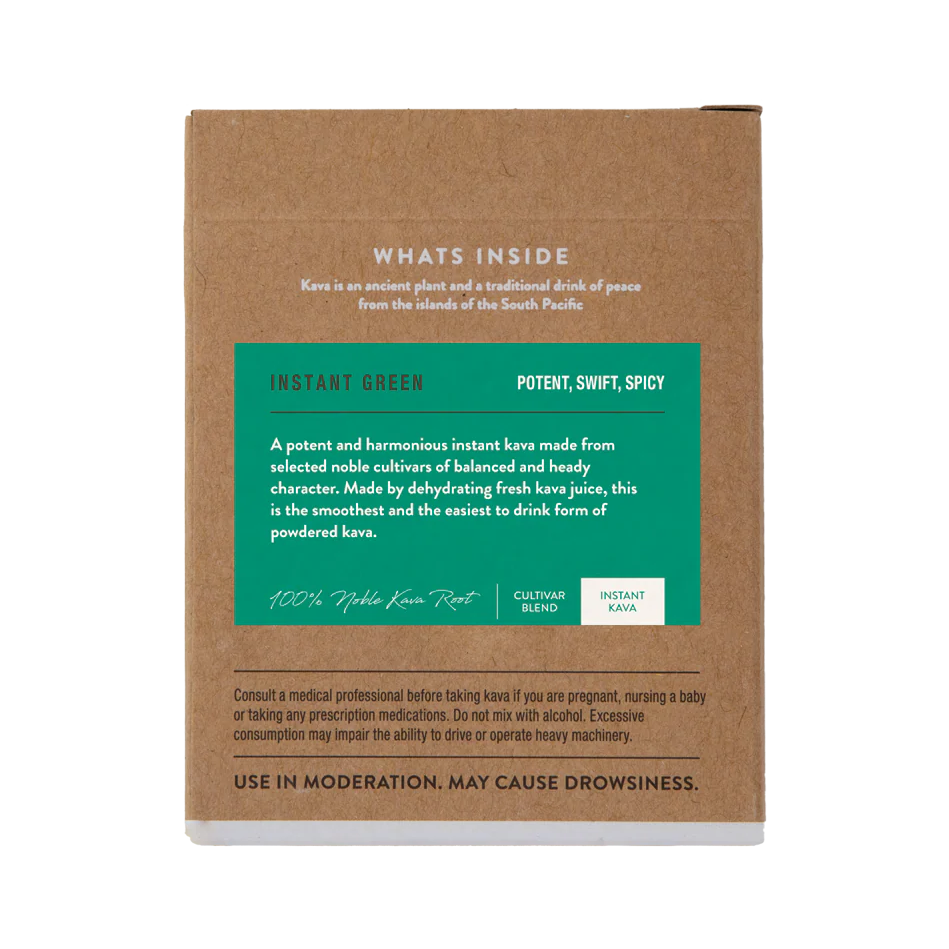
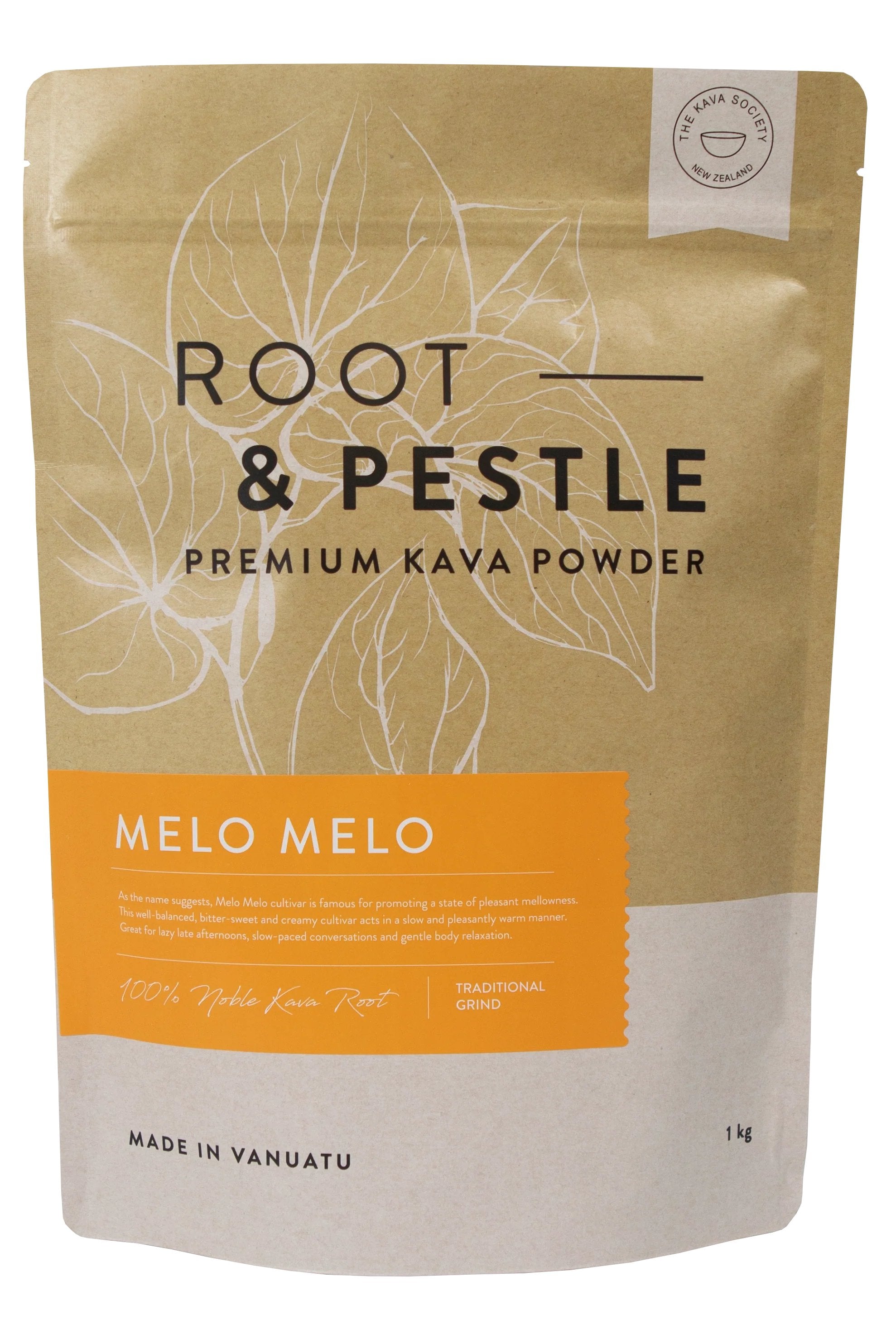
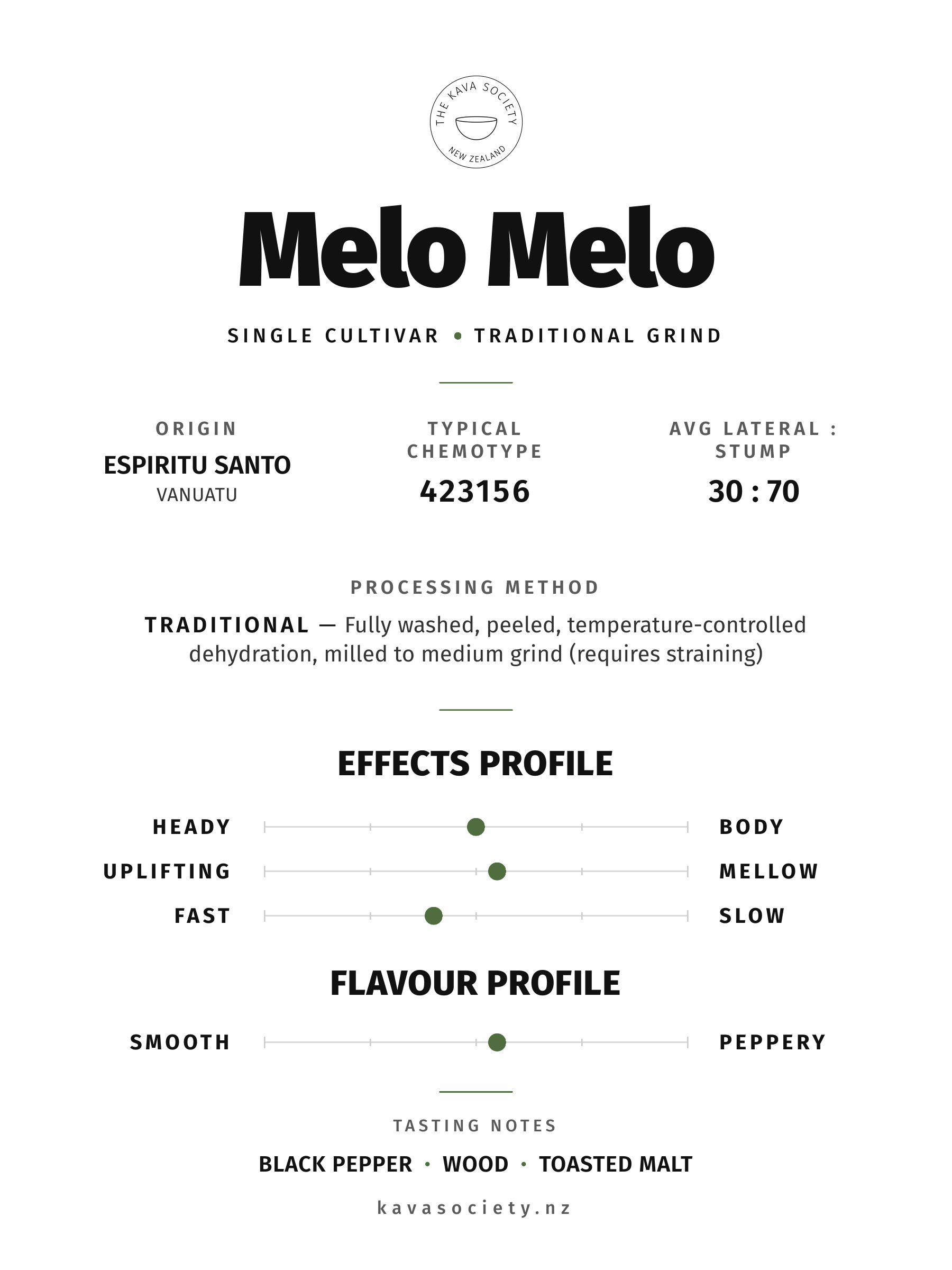
If, on the other hand, you're curious about kava as a calming evening beverage in the Pacific tradition, you can read about the different forms it comes in or browse our current noble Vanuatu kava range.








Leave a comment
This site is protected by hCaptcha and the hCaptcha Privacy Policy and Terms of Service apply.