
Article: Nakamal diaries
Nakamal diaries
According to some of the most respected kava scientists and to popular knowledge, kava was first domesticated thousands of years ago on the islands of what we know today as the Republic of Vanuatu. Vanuatu still boasts one of the most vibrant kava cultures in the world, known not just for an enormous variety of noble cultivars but also for famous kava rituals and practices. It is also practically the only place in the South Pacific where kava is made from fresh, undried roots, which gives it both a distinctive flavour and remarkable potency. In late December some of us travelled there to learn more about the local kava scene and to talk to drinkers, farmers, and vendors. A few of our observations from between shells of fresh kava follow.

Chiefs' Nakamal in Port Vila.
1. The nakamals
Nakamals, or kava bars, are the Port Vila equivalent of a mix between a British pub and a public fountain. Some people visit them to drink kava on site, alone or with friends. Others bring empty plastic bottles (known here as plastiks) to get takeaway kava home. There are hundreds of these establishments in and around Port Vila, and it really does not take much to start one. Most are very simple wooden structures with some seating, a bar with a large bucket (or a metal pot in one of the more sophisticated places), and a selection of simple snacks: fruit, vegetables, sometimes fried meat. Some have toilets and running water, but most are very, very simple and can hardly be considered hygienic. Many look more like shacks than businesses, and the only thing that distinguishes them at night from a pile of rubbish is a single bulb burning at the entrance.
Most locals have their favourite nakamals and know which ones to avoid. The recommendations are wildly inconsistent. One person's favourite nakamal is another person's most-hated place. It is worth trying a few before committing. That said, too much nakamal-crawling can spoil the experience, since you spend the evening walking, catching buses, and looking at maps rather than relaxing. Find one or two you like and settle in for the evening.
My favourite was Shefa nakamal: nice kava (except for the final night, when they were serving leftovers, more on which below), proper toilets, good snacks, and a location on top of a hill overlooking Port Vila bay. The views were excellent and the breeze meant fewer mozzies.
A few nakamals have a wider reputation. The Chiefs' Nakamal, right opposite the local parliament, is frequented by politicians and power brokers, and is also a useful spot to taste kavas from different provinces because of the small stalls inside selling kavas from various islands.
2. Drinking fresh kava
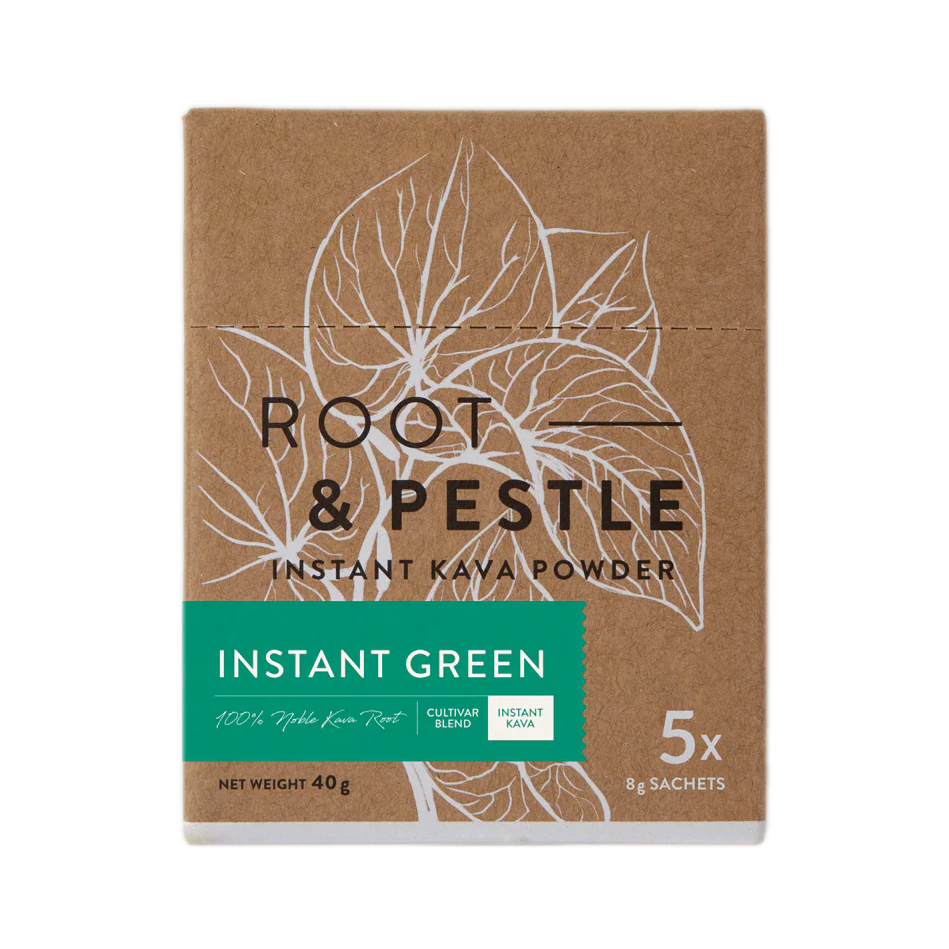
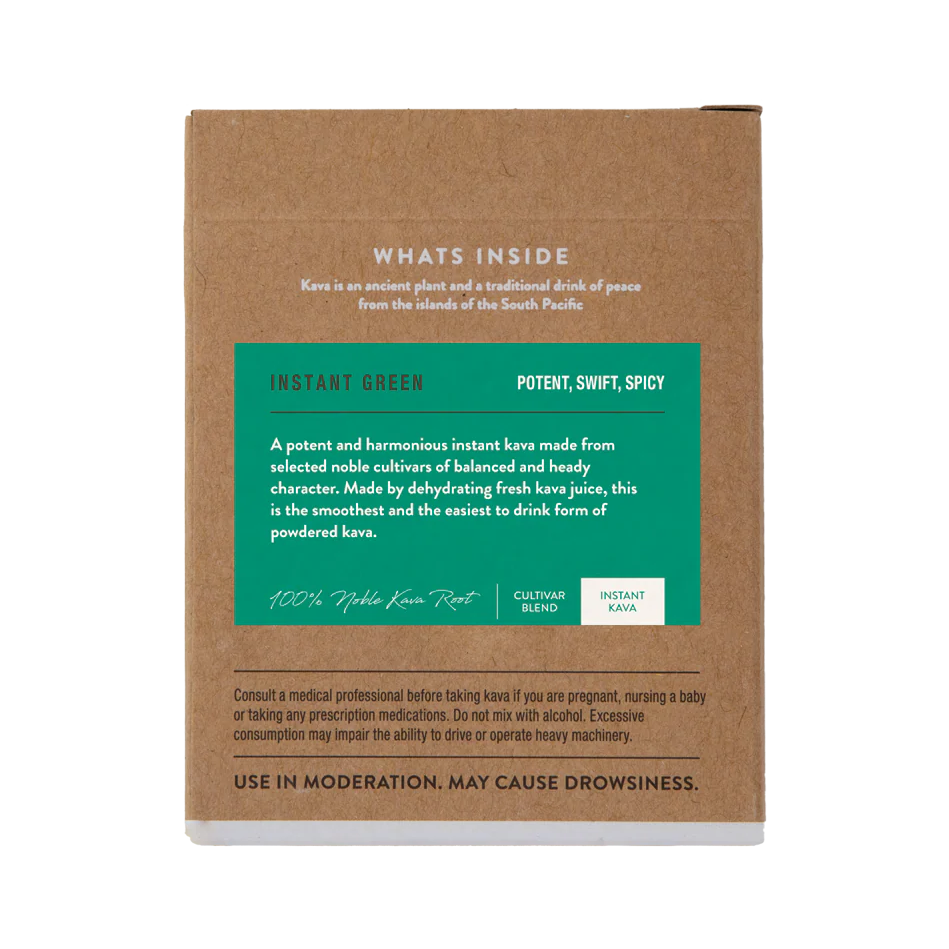
Practically all nakamals in Vila serve fresh kava. Locals find the idea of drinking dried powder strange, or at best a necessary evil. Fresh kava is a different drink from dried-root kava. The flavour is more complex and deeper. It tastes a little like an earthy, bitter vegetable juice with sweet-sour notes. To be clear, it does not taste great, and nobody drinks it for the taste, but it is easier to drink than most dried powders. Especially when you consider that for a shell of dried-powder kava to match nakamal-grade fresh kava in potency it would have to be unacceptably thick. Fresh kava in Port Vila is stronger per millilitre than any drinkable shell made from medium-grind dried root. Of the products we sell, only our instant kavas get close in potency at acceptable water-to-powder ratios. They are also the closest to fresh nakamal kava on taste and smoothness, which is a credit to the processing standards of our friends at Root & Pestle.
A solid shell of good fresh kava in Port Vila (regular $1, large $1.50) is an incredible experience for any kava drinker. One shell can melt the mind and muscles without much of a bad aftertaste. We still remember our first fresh shells. We took them to the edge of a cliff overlooking the bay, drank quickly, and sat down. Mouths and throats numb. A few minutes later our bodies relaxed and our minds felt as clear as the sky above Port Vila. It felt great.
Unfortunately, the local climate and the lack of hygiene standards in nakamals mean that some places serve kava that lets the root down. In the heat it does not take long for fresh kava to turn acidic and sour. Many nakamals still serve leftovers from the previous night, or mix them into the new batch. The end result is a potent but difficult drink that can cause stomach upset.
3. Cultivars and regions
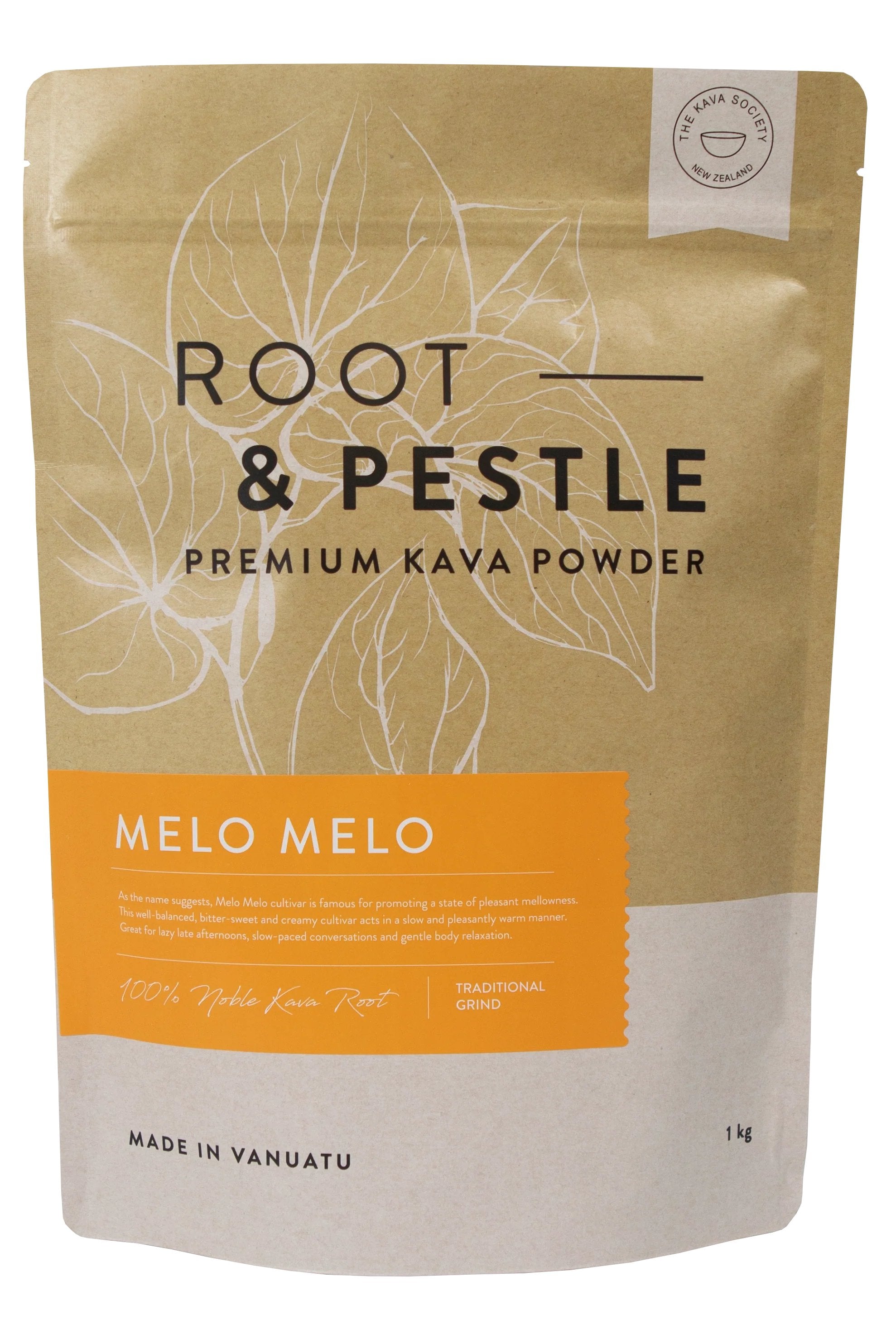
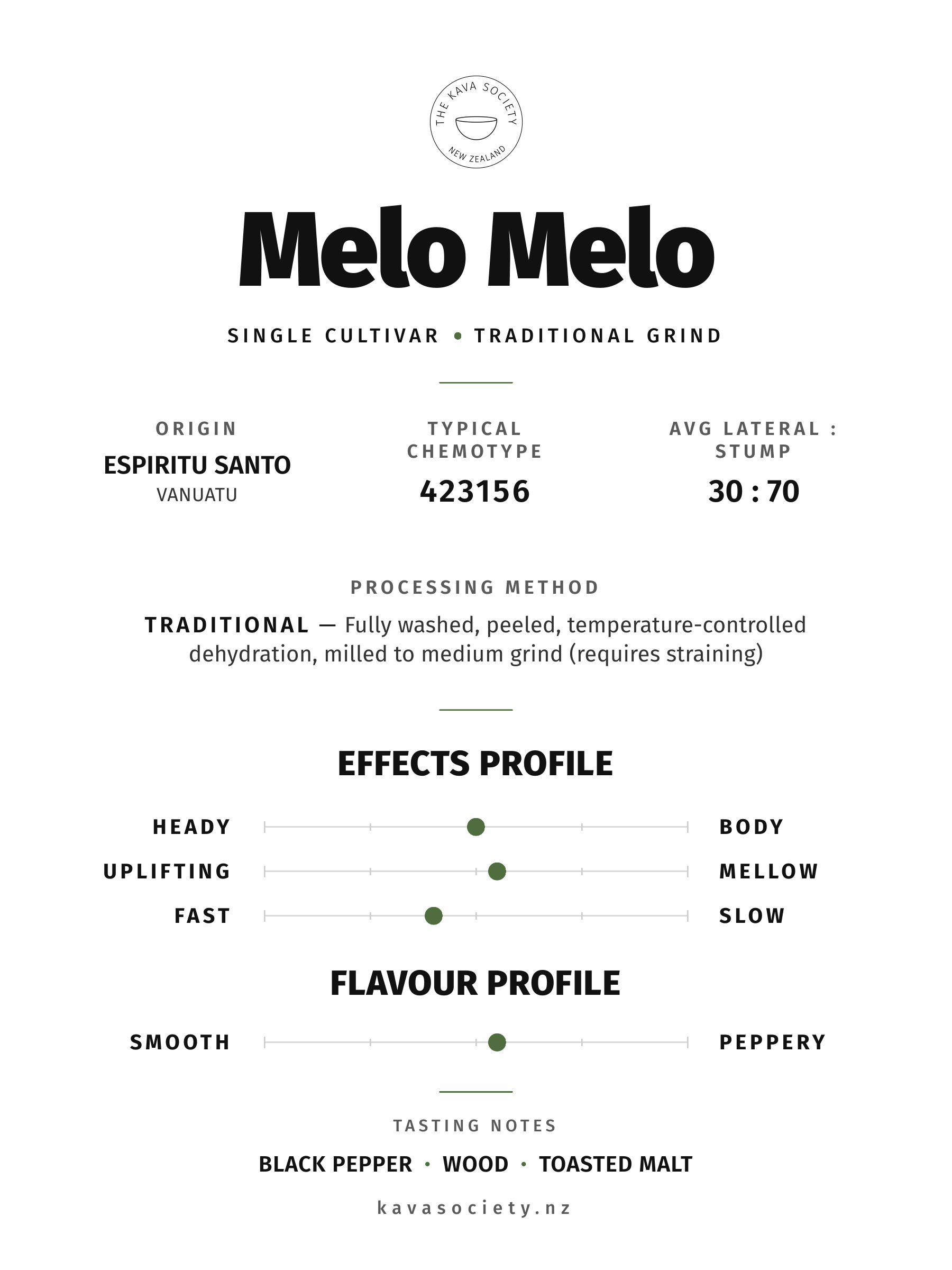
Most people we spoke with identify kava by its place of origin. Everyone has a favourite region, but it is the place rather than the specific cultivar name that seems to matter to most drinkers. Some prefer kava from Tanna "because it does not make you tired the next day". Others like kavas from Pentecost because "they help you to go to sleep and are very strong". Others prefer northern Malekula "because it is mild [a relative term in Port Vila] and has a very smooth taste". While people are familiar with cultivar names, they talk about regions and locations far more than about individual cultivars. None of the locals we met knew anything about chemotypes or kavalactones. Their knowledge is grounded in experience. Different parts of Vanuatu specialise in different kinds of kava, and locals know that kava from one island will give them one kind of effect and kava from another will give them another. It is quite remarkable. These days we can also use a bit of kava science to help us understand those differences in more detail.
4. Tudei
While none of the people we spoke with knew anything about kava chemotypes, everyone seemed aware of the tudei kava issue, and we did not meet a single person who had anything good to say about it. People either never drink it or had only tried it once or twice. They all described very unpleasant after-effects: hangover, headache, feeling tired the next day, feeling sick. One man told us that in his village tudei was only consumed by women undergoing a specific painful ritual, where only tudei was strong enough to sedate them. Another told us he had consumed tudei when there was no other kava available, but he was careful to use twice as much water as with normal kava. None of them were aware of any specific health concerns about tudei. They simply hated its taste and its effects.
Related reading
- Meet the island: Espiritu Santo, the home of most of our kava
- Silesse: a contemplative cultivar from Malekula
- Deep dive into kava chemotypes
- What's the best kava cultivar?
If you would like to try the products that, to our taste buds, come closest to fresh nakamal kava, our instant kava range is the place to start. If you are new to kava and not sure where to begin, our quick guide for new drinkers is a good place to start.











Leave a comment
This site is protected by hCaptcha and the hCaptcha Privacy Policy and Terms of Service apply.