
Optimal kava kneading and preparation time
TLDR: 80 seconds of squeezing extracts about 45% of the available kavalactones. Extraction climbs steadily until around the 4-and-a-half-minute mark, then plateaus. Squeezing for more than about 7 minutes gives you nothing extra. Our long-standing 5 to 7 minute recommendation holds up.
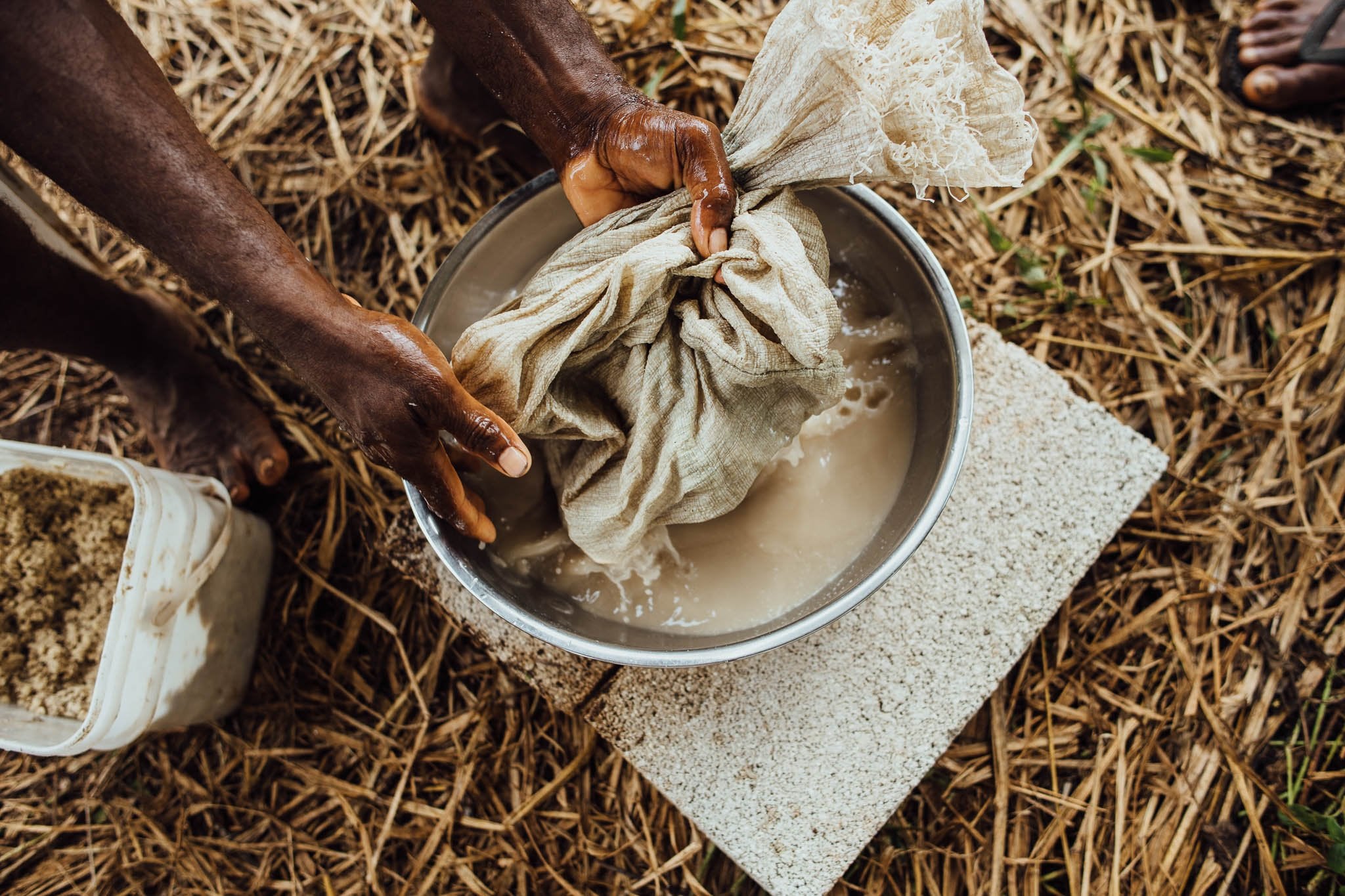
Our recent post on the optimal number of washes looked at how much kava you can extract each time you re-use the same root with fresh water. Many readers sent follow-up questions, and one of the most common was whether the amount of time you spend kneading the kava actually matters. It is one of the most frequently asked questions about kava preparation: how long do you need to knead the bag to get the best return on your effort? Our experience says around 5 to 7 minutes, depending on the kneader, the amount of powder, and the size of the bag. That has always seemed to produce a strong, creamy liquid. We have suspected that kneading for longer offered diminishing returns, but had no hard data to back it up. Our friends at Root & Pestle have now put the question to the test by running a series of UHPLC analyses across different squeeze durations. Some of their findings surprised us.

Maximum extraction per squeeze
57.89% was the maximum kavalactone extraction efficiency we were able to achieve in a single squeeze, regardless of how long we massaged the strainer bag. Chemotypes of the beverages were largely unaffected by squeeze time.
Our lyophilised samples made it abundantly clear that more material had been extracted as squeeze duration increased, but despite the progressively larger amounts of sediment, the amount of kavalactones extracted did not continue to climb beyond a certain point.
How long is long enough?
Within just 80 seconds of squeezing (followed by strong handwringing of the strainer bag), we had already extracted an average of more than 45% of the available kavalactone content. Extraction efficiency increased steadily up until about the four-and-a-half-minute mark and plateaued shortly afterward. No squeeze longer than 404 seconds (6.73 minutes) resulted in higher kavalactone concentrations in the resulting beverage, even when we massaged the strainer bag for an hour straight.
Short squeezes lasting only a few minutes gave us potent kava that was very light and easy to drink, even seeming a bit too watered-down to our seasoned taste testers (who have become accustomed to the rich, creamy kava served locally in Vanuatu). Longer squeezes made the mixture thicker, becoming more like nakamal-style kava around the seven-minute mark and beyond, giving the subjective impression that we were drinking seriously strong kava. It was not typically any more abundant in kavalactones than squeezes that lasted only five minutes.
Experimental conditions
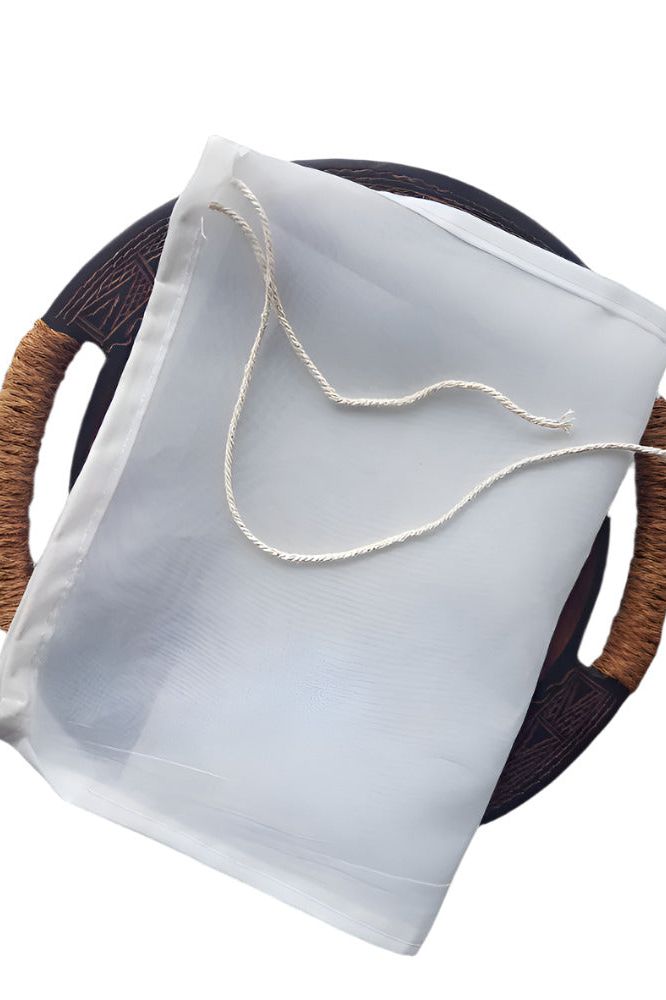
These results were based on squeezing 62.5 g of traditional kava powder in an R&P strainer bag in 1 L of 28 degree Celsius water, using our automated squeeze system for consistent results. The squeeze and analysis conditions were largely unchanged from those in our multiple-wash experiments.
30 unique analyses were performed for these squeeze-time trials. The sample size is relatively small but we feel it was sufficient to identify general trends. Our experiments and analyses are ongoing.
We hope these findings offer useful insight into your kava preparation. By sharing this data we aim to support the kava community with reliable, research-based information that enhances everyone's experience. Keep in mind that individual tastes vary, and maximising kavalactone extraction efficiency does not necessarily mean a method is the best one for you. Experiment to find your optimal squeeze.
Our additional comment
We were surprised to learn it takes so little time to achieve such a high degree of kavalactone extraction, at least when using the quality of kava powder we offer through our shop. At the same time we are convinced there is more to the kava experience than kavalactone concentration alone. We could be wrong, but we suspect the other compounds in kava may work in synergy with the kavalactones to shape the overall character of the drink, so we still feel that squeezing for a bit longer than two minutes tends to produce better results. In any case, squeezing for longer than seven minutes is almost certainly not worth it, so our original recommendation born out of years of experience, 5 to 7 minutes, still seems quite reasonable. For those who find the process too time-consuming, a slightly shorter squeeze from now on is fine. Even two to three minutes should produce a potent drink.
Further reading from the Root & Pestle lab
- The science behind efficient traditional preparation
- Best water temperature for making kava
- The blender method vs kneading: surprising findings
- Should you add fats to kava to get a stronger drink?
For a step-by-step guide to the squeeze, see how to prepare kava. If you'd like a curated starting point, our new to kava guide has three beginner picks and a walk through how to choose between cultivars.











Leave a comment
This site is protected by hCaptcha and the hCaptcha Privacy Policy and Terms of Service apply.