TLDR: Properly farmed, processed and exported noble kava can never be dirt cheap. It represents years of patient farming, careful hand-processing, lab testing, and a long path from remote Pacific islands to your door. But quality kava is still good value when you understand what you're paying for and how to spot real quality versus shortcuts. Below: where the cost actually goes, and how to tell genuine value from too-good-to-be-true.
Updated August 2026. Green kava prices have moved sharply since this piece was first published in September 2025. We've added the current figures throughout and a new section on why demand inside Vanuatu has risen so fast. The underlying explanation of how kava pricing works is unchanged.
What you're actually paying for
In recent months, you might have noticed media coverage about kava prices reaching new heights, with some outlets celebrating the benefits flowing to Pacific communities while others worry about affordability. We've been in this industry for nearly 15 years now, watching the ups and downs of kava markets. People have strong opinions about kava prices and very little information about what sets them, or about how the cost of raw material feeds through into what you pay for the final product.
Whether kava feels cheap or expensive is, to some degree, subjective. It depends on your circumstances, how it compares to other ways you might spend your money, and what you're getting for that price. But we're hoping to demonstrate that when you look at all the factors determining costs in this industry, kava is actually quite fairly priced. At no point in history has high-quality kava been more easily available and more affordable to customers around the globe. That doesn't mean it's dirt cheap. It's not your local fruit juice or beer. It's an exotic product that, as you'll see, is produced with immense effort, especially when it needs to be of good quality. And by good quality, we mean kava that offers a similar experience to freshly harvested green kava (within the limits imposed by the physical difference between fresh and dry), while meeting all standard food safety and hygiene requirements.

Years of patient farming
To understand kava pricing, we need to start at the beginning. Kava doesn't grow from seeds. It must be propagated by human action, making every kava plant the result of deliberate cultivation. The plant requires significant work in its first months, especially weeding, but once established, the foliage reduces that need. Still, farmers face potential diseases, weather events, and sadly, the threat of theft.
Farmers must wait a minimum of two years until harvest, though most wisely prefer to wait longer. Every additional month yields more mass without much extra labour, unlike replanting. Most kava is harvested after 3 to 5 years, a remarkably long investment period. In Vanuatu, by law, it must be grown organically, which isn't necessarily a challenge due to the high fertility of volcanic soil and traditional methods of controlling pests. This means the need for chemical input costs is relatively small.
Most kava is grown in community gardens on relatively small farms, intercropped with other plants. There are no large kava monocultures, and mechanisation of harvest and planting is virtually absent in the South Pacific. Once harvested after 3 to 4 years, a single plant yields 6 to 8 kilograms of fresh roots. These roots must be carefully cleaned and peeled, and here's where the first quality decision appears. There's naturally a temptation not to clean them too thoroughly or peel them properly, because kava is sold by weight. Every bit of dirt adds to that weight.

Green kava sets the floor
Not surprisingly, the cost of green kava itself is the major determinant of your final price. For six years, green kava in Vanuatu sat at around 500 vatu per kilogram, roughly NZ$7, and it was still there in January 2025. Then it started climbing and hasn't stopped. By June 2025 it was 800 vatu, by August 1,000, and by June 2026 farmers on the islands were being paid 1,300 (as reported by the Vanuatu Business Review and the Vanuatu Daily Post). Santo farmers selling into the Port Vila market in August 2026 were asking 1,700 vatu, close to NZ$24, and telling the Daily Post they expected 2,000. The cost of green kava sets a floor on the cost of the final dry product, and since it takes 6 to 7kg of green kava to produce 1kg of dry powder, the raw material alone now puts something in the order of NZ$100 into every kilogram of finished traditional grind, before any processing, quality control, taxes, export fees, or logistics have begun. Eighteen months ago the same calculation gave you around NZ$45.
Adjusted for inflation, kava prices haven't increased quite as dramatically as the nominal figures suggest, but even accounting for inflation, green kava today is perhaps the most valuable it's ever been. One could argue kava has been underpriced for years and is still recovering from the 2000s slump that followed the ban on kava extracts in Europe and beyond.
This high price reflects a fundamental challenge: kava has notoriously low elasticity of supply. Remember, it takes 3 to 5 years for new kava to mature. If demand doubles in a year, producers can't simply harvest double the amount without lowering quality, especially if demand has been steadily increasing for years and they have no reserve quantities growing in their gardens. High prices incentivise more planting, but the response takes years to materialise. There is a lot of planting happening in Vanuatu right now, and none of it will be drunk before the 2030s.
Unless one is willing to add fillers or buy very low-quality green kava (unfortunately quite common), such as unhealthy rotten roots, wrong cultivars, sometimes even wrong plants, the price of the final product cannot possibly be lower than what it costs to buy quality raw material. If someone offers you 1kg of dry kava for less than what it would cost to buy the raw materials to produce it, you're likely being scammed.

Why demand has run ahead of supply
The 2025 to 2026 surge has a few distinct drivers, and the largest sits inside Vanuatu itself. Thousands of ni-Vanuatu have spent recent years doing seasonal work in New Zealand and Australia, and the wages they bring home have transformed demand in Port Vila. The nakamals there are busier than they have ever been and now buy up boatloads of Santo kava that would once have gone to export. At the same time, those workers are largely the same people who would otherwise be tending kava gardens, so the scheme that fuels the nakamals has also thinned out the growing. There is less kava coming out of the gardens, tended by fewer hands, right as more money chases it.
Export demand has intensified at the same time. Fiji has long absorbed large volumes of kava from Vanuatu and Papua New Guinea, a fair amount of which is re-exported as Fijian kava, and with Fiji's own harvest struggling, its buyers are more active in Vanuatu than ever. Most of what they take is lower grade material, but every kilo bought is a kilo off the market, and the prices of the better grades get pulled up along with the rest. American demand has grown beyond what the islands can currently serve: one US buyer arrived in 2026 hoping to fill 100 tonnes for the 500 kava bars he supplies and left with four containers that, by his own estimate, wouldn't last a month. The extract industry continues to bid for raw material alongside everyone else.
Price pressure of this intensity also leans on quality across the whole market. Growers have been reported harvesting one and two year old plants rather than waiting the customary three to four years, and the temptations around cleaning, peeling and drying that we describe below only grow stronger when kava is worth this much. This is precisely the environment in which rigorous cultivar verification and batch testing matter most.
Where quality costs money
Once green kava is harvested, that's just the beginning of the work. Every processor, exporter and seller faces a long path punctuated by multiple decision trees. At each step, they can choose to maximise quality (but also add costs), or sacrifice quality and potentially reduce costs.
The transformation process
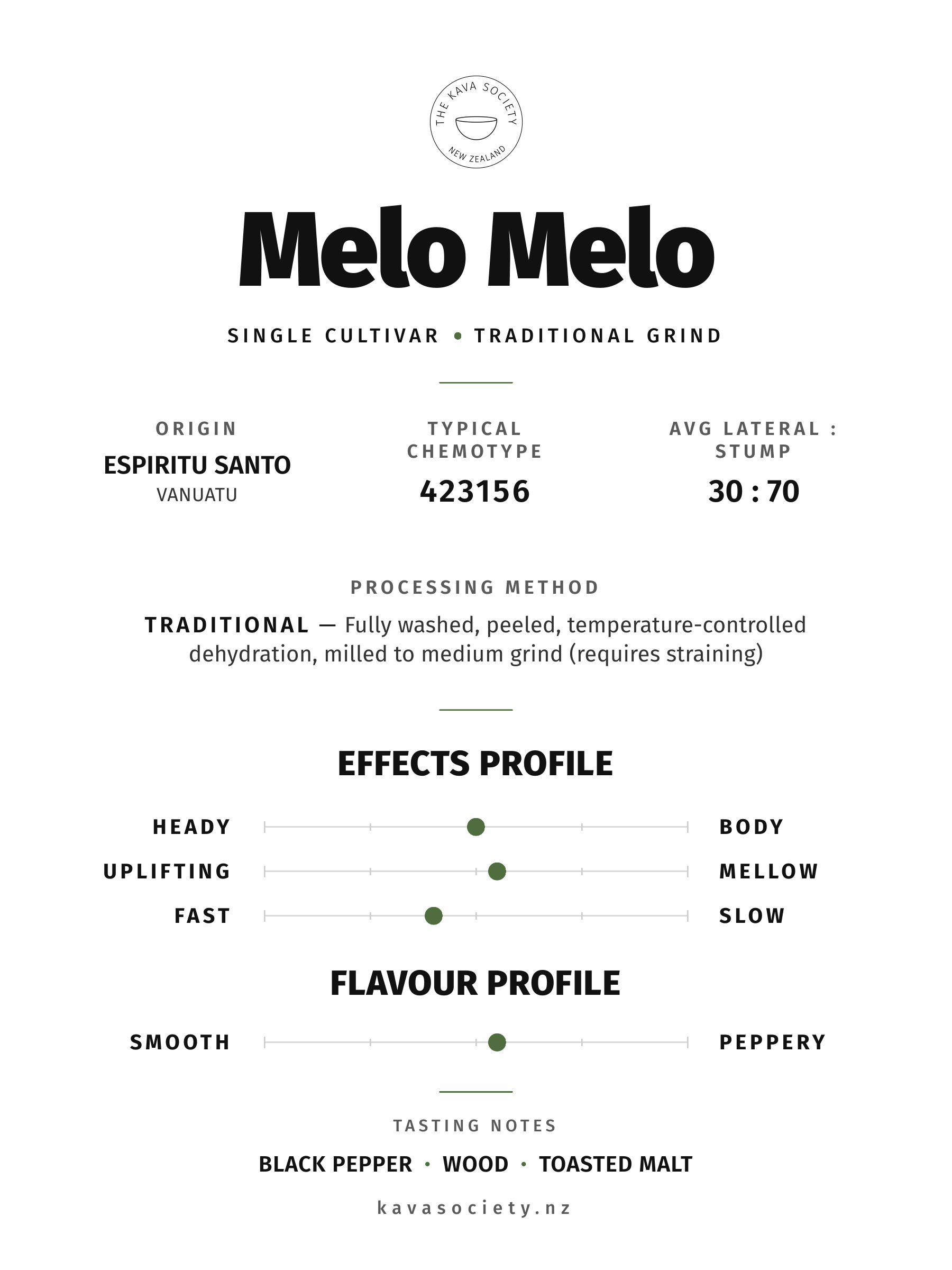
In Vanuatu, some farmers dry their own kava, but most sell it green to kava bar operators. For export, processors buy either village dry kava (which offers reduced opportunities for quality control) or green kava that needs to be washed, peeled and dried. The cleaning, peeling and drying process reduces weight by 85% or more. Remember, it takes 6 to 7kg of green kava to make 1kg of traditional grind powder, and 15kg for instant kava.
Here's another temptation: some processors prefer not to dry their powders thoroughly, because every gram of lost water costs them money when customers pay per gram. It's a tricky balance. Leave the kava too wet and it will rot. But there's a zone where microbes and mould won't actively grow, yet moisture could still be removed to give customers more actual kava for their money.
Critical processing decisions
So what does it actually look like when processors choose quality over shortcuts? Let's walk through the real-world choices that separate premium kava from the rest.
The cleaning, peeling and drying are all labour or capital-intensive exercises. The more advanced the process, the more electricity it consumes, and Pacific island countries are among the most expensive places in the world for electricity, especially reliable electricity. The process also consumes vast amounts of water, and most Pacific places don't have reliable supplies of municipal water adequate for processing kava to food standards. Water ideally must be treated on site, itself a significant investment in developing countries.
Most exporters can't afford reliable electricity or treated water and rely on rainwater, sometimes streams, and sun drying. These are much cheaper techniques but naturally result in much lower quality end products, plus inevitably introduce significant risks to consumers. Roots dried on rooftops are exposed to bird droppings, pathogens, and the elements. Dirty water has been a notorious source of microbial contamination. Some enclosed solar dryers offer improvements but are still weather-dependent and harder to maintain hygienically.
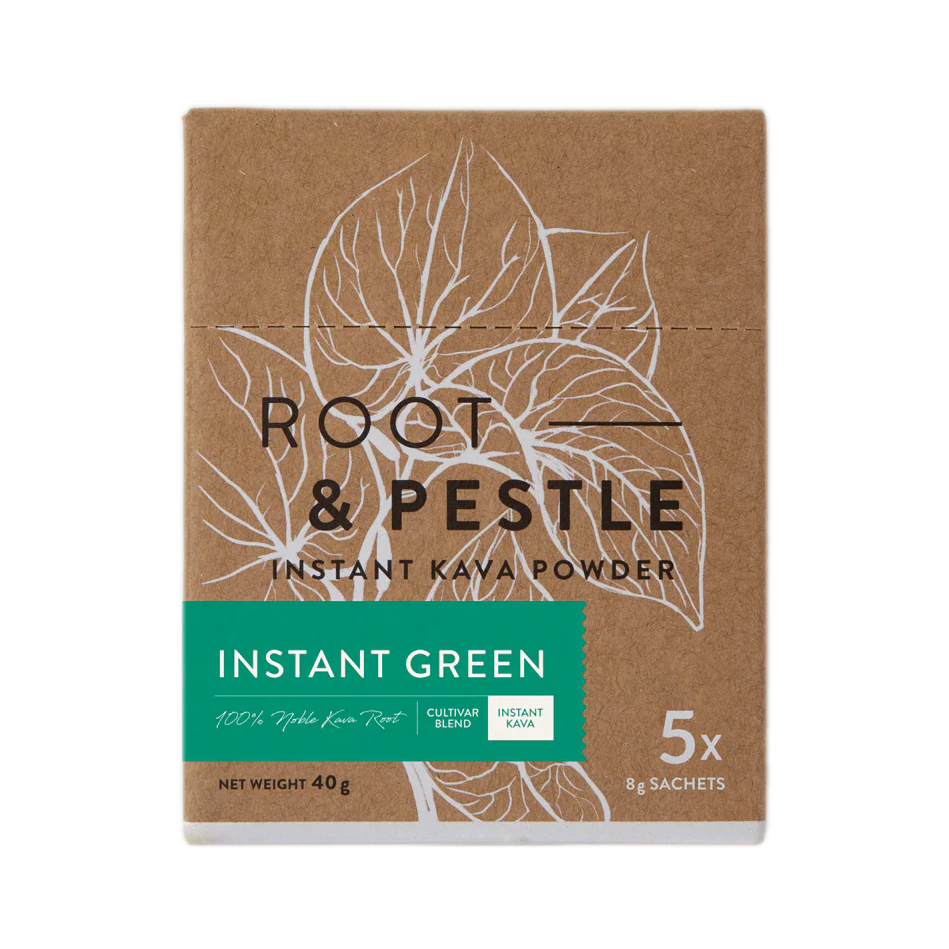
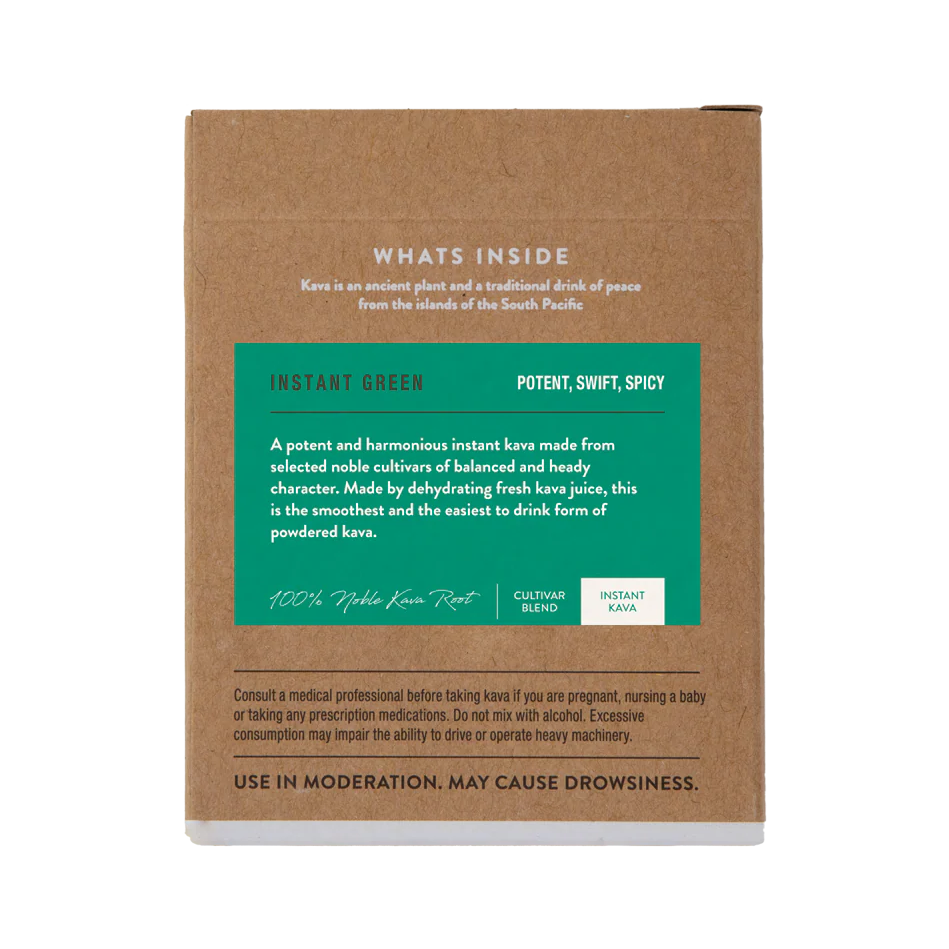
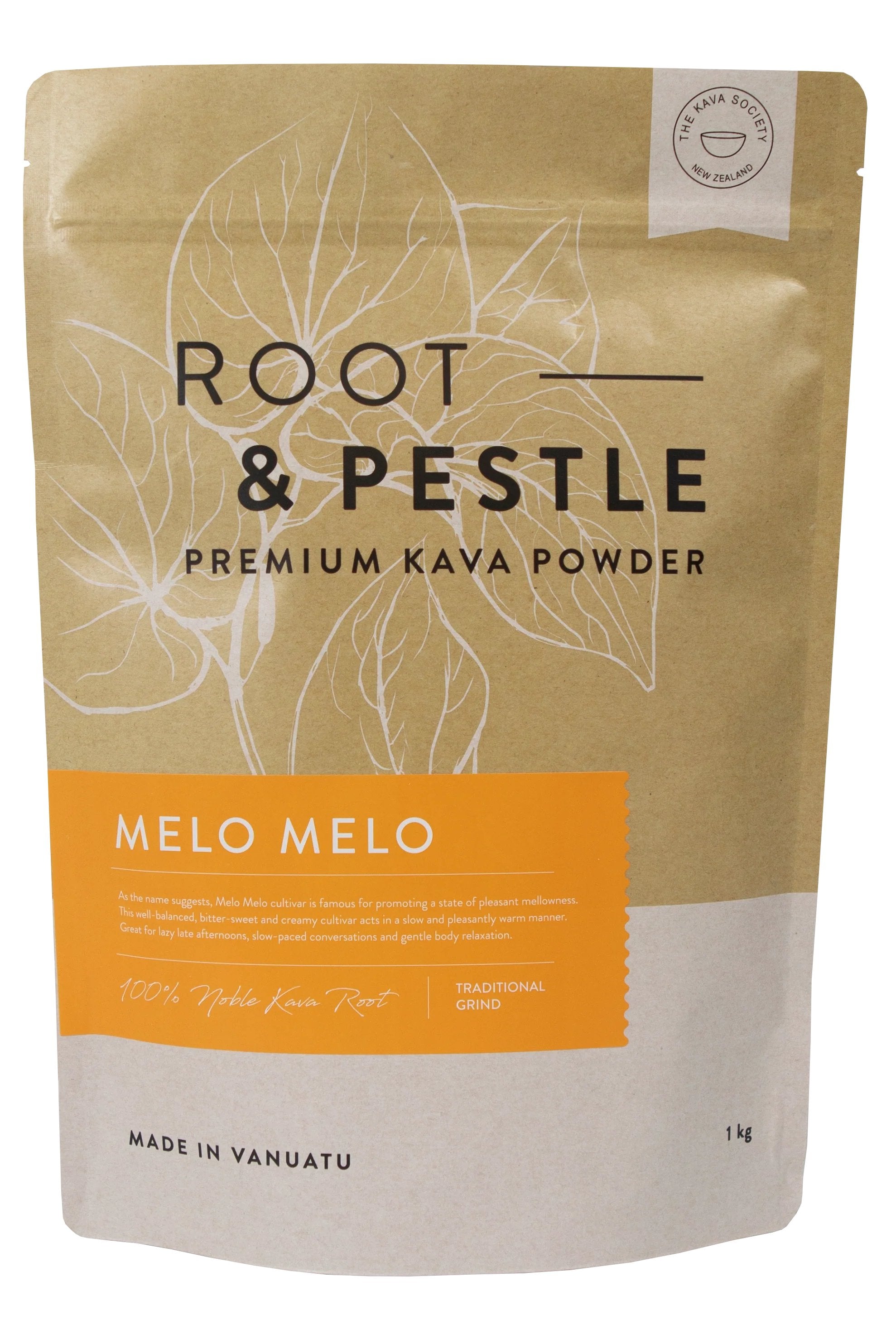
At the quality end of the spectrum, where we've chosen to operate, the investment is substantial. Our partners at Root & Pestle run a HACCP-certified facility (Hazard Analysis and Critical Control Points, the gold standard in food safety management). This means every step has documented procedures, monitoring, and verification.
They maintain an in-house laboratory with UHPLC equipment (Ultra High Performance Liquid Chromatography, superior to standard HPLC) for real-time testing. They employ dedicated quality control personnel who monitor every batch at multiple stages. Perhaps most tellingly, they employ specialist staff whose sole job is cultivar identification. When specific cultivars cannot be reliably identified at harvest point, deliveries include parts of the plant used for cultivar verification (stems with nodes, leaves). These identification materials are never processed into powder, they're solely for verification, and are either discarded or returned for replanting. This adds significant cost and logistics complexity to transport, but it's the only way to guarantee single-cultivar purity. Only roots ever make it into your kava powder.
They use temperature-controlled dehydrators with precise moisture monitoring, UV-sterilised air handling systems with HEPA filtration, and food-grade stainless steel equipment that's sanitised between every batch. The water is filtered, tested, and treated on-site. Every surface that touches kava is food-grade.
Each decision point, from accepting only freshly harvested roots (never village-dried stock) to maintaining temperature-controlled environments, reflects investing in excellence rather than cutting corners.

Final processing steps
Once kava is dry, it must be powdered and packaged. If you want uniform particle size, if you want to ensure your powder is free from contaminants and processed hygienically, you must use advanced machines and operate in food-grade facilities. Both require substantial investment. Hence many exporters rely on basic pounders operated in sheds, a cost-cutting approach but one likely to produce inferior and riskier products.
Once you have the powder, you should ideally run analysis to ensure your process of kava selection, cleaning and processing actually produced a safe and quality product. You can use an in-house lab (a major investment but best if you know what you're doing), send samples to a third-party lab (also costly, considering each sample must come from a relatively small representative batch), or you might choose, as many producers do, to ignore this step and simply hope for the best.
The final packaging stage presents yet more choices between quality and cost-cutting. At each decision point, producers face the same dilemma: invest in doing it right, or save money and compromise the product.
At the weighing stage, producers can invest in calibrated scales to ensure customers get what they pay for, or skip this expense, which is why you might order 1kg and receive 950g. For packaging, the choice is between low-permeability, food-grade bags with nitrogen-flushing and vacuum sealing that lock in freshness for years, or basic plastic bags that cost far less but let air and moisture degrade the kava within months. The nitrogen-flushing requires specialised equipment, so many skip it. Finally, there's traceability. Lot number systems linking each package to specific batches, harvest dates, and test results enable quality control and problem-solving, but require sophisticated tracking infrastructure that many producers simply don't implement, making it impossible to track issues when they arise.
Each decision point from harvest to packaging represents a choice between quality and cost savings. In most cases, these more expensive choices aren't merely nice-to-have features. They're the difference between safe kava with clean effects and contaminated powder that can make you sick.

Taxes, freight and compliance
Once you've added all your processing costs, governments impose their taxes and fees. Vanuatu charges a 2% export tax on the value of kava, on top of numerous other local taxes, fees and levies that accumulate throughout the supply chain. The more valuable the kava (the more actual value and quality has been added), the higher these taxes become. There are also biosecurity, customs and other fees.
Then your kava must be exported. Airfreight or courier is a resource-intensive option out of the islands. Flights are constantly cancelled and airlines serving the Pacific frequently go bankrupt. Sea freight is cheaper if you can send goods at scale, but Pacific shipping is notoriously unreliable in its own way: constant delays, cancelled sailings, weather disruptions, and ships that only come every few weeks. It's quite common to experience 1 to 2 months of delays. If you haven't invested in proper packaging and warehousing, products deteriorate in quality as you wait.
And then there are the wild cards. The Pacific is notoriously exposed to natural disasters, especially cyclones and volcanoes, with Vanuatu being the world's most exposed country. Since we started trading kava, there have been at least three massive cyclones that devastated supply and affected processing facilities, and two major volcanic eruptions that affected both supply and logistics. These unpredictable events can suddenly spike prices and create shortages that ripple through the market for years.
Once your kava arrives at its destination, there's another round of fees and inspection charges. If you operate legally as an importer, you must pay import taxes or tariffs, and you must add sales tax or GST (in New Zealand's case, 15%) to your final price. You need to pay GST and tariffs upfront when you import, so you must operate with enough capital to do so.
Once the kava is in the country and you try to sell it, like sellers of all other goods, you face payment processing fees (which tend to be hostile towards kava vendors), costs of fulfilment, insurance, costs of products lost in transit, staff errors, customer service requirements, website maintenance, warehousing costs, and margins for damaged items. If you want to do things right, you must register for tax, use MPI-registered facilities for storage, and maintain all the infrastructure of a legitimate e-commerce business.
What it costs per session
Adding all this up, if you've taken all the right turns and always chosen quality, compliance and the customer's best experience as key guiding principles, you end up with kava that is still genuinely affordable as an evening beverage when you measure cost per session rather than per kilogram. Exactly how much a session costs depends on the bag size, whether you qualify for free shipping, how much kava you actually use, how you prepare it, and whether you go for instant or traditional grind. (See our post on the right amount of kava for what we mean by a session.)
While quality kava costs more than tea or fruit juice, we think it represents fairly affordable value, especially as a weekend or occasional experience. Above all, it represents remarkable value for money considering everything that goes into producing it and all the taxes involved. For buyers in most OECD countries, a pleasant session with kava can realistically cost less than the equivalent of one hour of work earning minimum wage.
How to spot the shortcuts
The real challenge for consumers is understanding that there is a floor to what a high-quality kava session can cost in a distant land, and much of the kava on the market is priced at or below that floor despite taking all the shortcuts we've mentioned. So for you as a consumer, the real challenge isn't trying to find kava cheaper than what it reasonably costs to deliver it. It's ensuring the kava you drink represents the very best value.
Every kava vendor claims to be selling premium kava, and most will insist they always chose the right turn at every step. However, we know very few actually do. As a consumer, you should scrutinise every claim. Don't go for slogans or feelings alone. If someone claims their kava is lab tested, they should post the results on their website, and the results should be for every batch, not one test done ages ago or testing something of little relevance to current microbiological safety and quality indicators.
If someone claims they source their kava "ethically", that's wonderful, but kava is a seller's market, so what does it really mean? They should back this up with specifics. If they claim they sell single cultivars, how do they verify their plants? If they claim their kava is processed hygienically, again, where's the evidence?
A vendor proud of their process will be happy to share the details.

Where that leaves the price
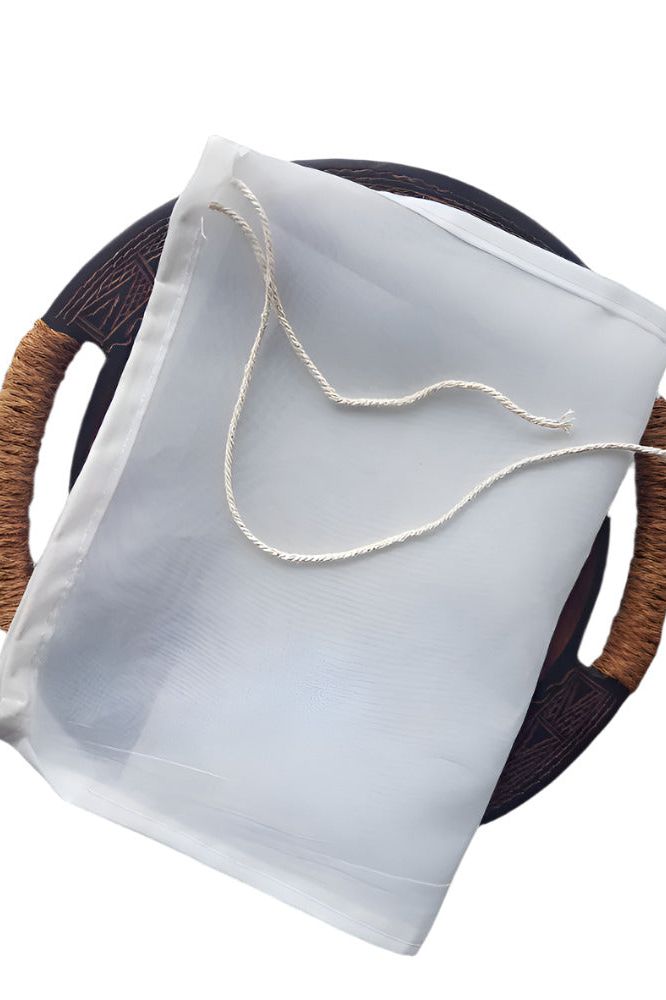
Once you understand the path from a kava cutting planted in volcanic soil to the powder in your strainer bag, the price begins to make sense. Quality kava will never be dirt cheap because it shouldn't be. It represents years of patient farming, careful harvesting, careful processing, complex logistics, and significant investment in quality control. The farmers who grow it deserve fair compensation for their expertise and patience. The processors who maintain food-grade facilities deserve recognition for their investment in safety.
Kava is one of the major exports from Vanuatu, accounting for roughly half of all national exports in recent years. The money goes a long way back down the chain. John Meto in Mavunleva, one of the farmers who grows the kava that ends up in our bags, has been at it for 50 years and supports ten people on it.
The next time you prepare a shell of kava, remember that you're experiencing the culmination of thousands of years of Pacific tradition, years of patient cultivation, and a complex global path that brings this remarkable plant from remote volcanic islands to your home. Measured per session rather than per kilogram, quality noble kava remains remarkable value for what you're getting.

Interested in learning more about what makes quality kava? Read our detailed article about kava processing standards and discover what sets our kava apart.








Leave a comment
This site is protected by hCaptcha and the hCaptcha Privacy Policy and Terms of Service apply.