
TLDR: Buying kava well across all vendors (us included) comes down to three things. Only buy noble cultivars (never tudei or non-noble). Prefer single cultivars or blends with transparent sourcing. Look for premium processing you can verify (HACCP-certified facility, batch lab testing, freshly harvested roots). Below, what each of those means and how to recognise real value.
A note before you read on
This is a general buyer's guide to kava. We first wrote a version of it around 2012, when we ourselves were still learning what good kava looked like, and we've kept updating it since. The advice applies whether you're buying from us or elsewhere. The questions worth asking apply to every vendor in the market.
1. Only buy noble kava
This is the foundation. Pacific Island cultures distinguish between two broad groups of kava cultivars: noble (suitable for daily drinking, the only kind traditionally consumed across the Pacific) and non-noble (sometimes called "tudei" or "two-day", named for the unpleasant after-effects that can linger for two days).
Non-noble cultivars grow faster, are more disease-resistant, and are significantly cheaper. They also produce nausea, headaches, lethargy, and a hangover similar to alcohol. There is no Pacific tradition of drinking them recreationally. Garry Stoner explains this in detail in his guest post, but the short version: only noble cultivars belong in a kava beverage.
The export of non-noble kava from Vanuatu has been illegal since 2002 under the Vanuatu Kava Act, and in New Zealand non-noble cultivars cannot legally be sold as food under FSANZ Standard 2.6.3. Despite that, unmarked and unverified kava continues to make its way into corner shops and online stores around the country. Anything labelled simply "Fijian kava" or "Tongan kava" with no cultivar name and no grower attribution should be approached with caution.
How to verify nobility:
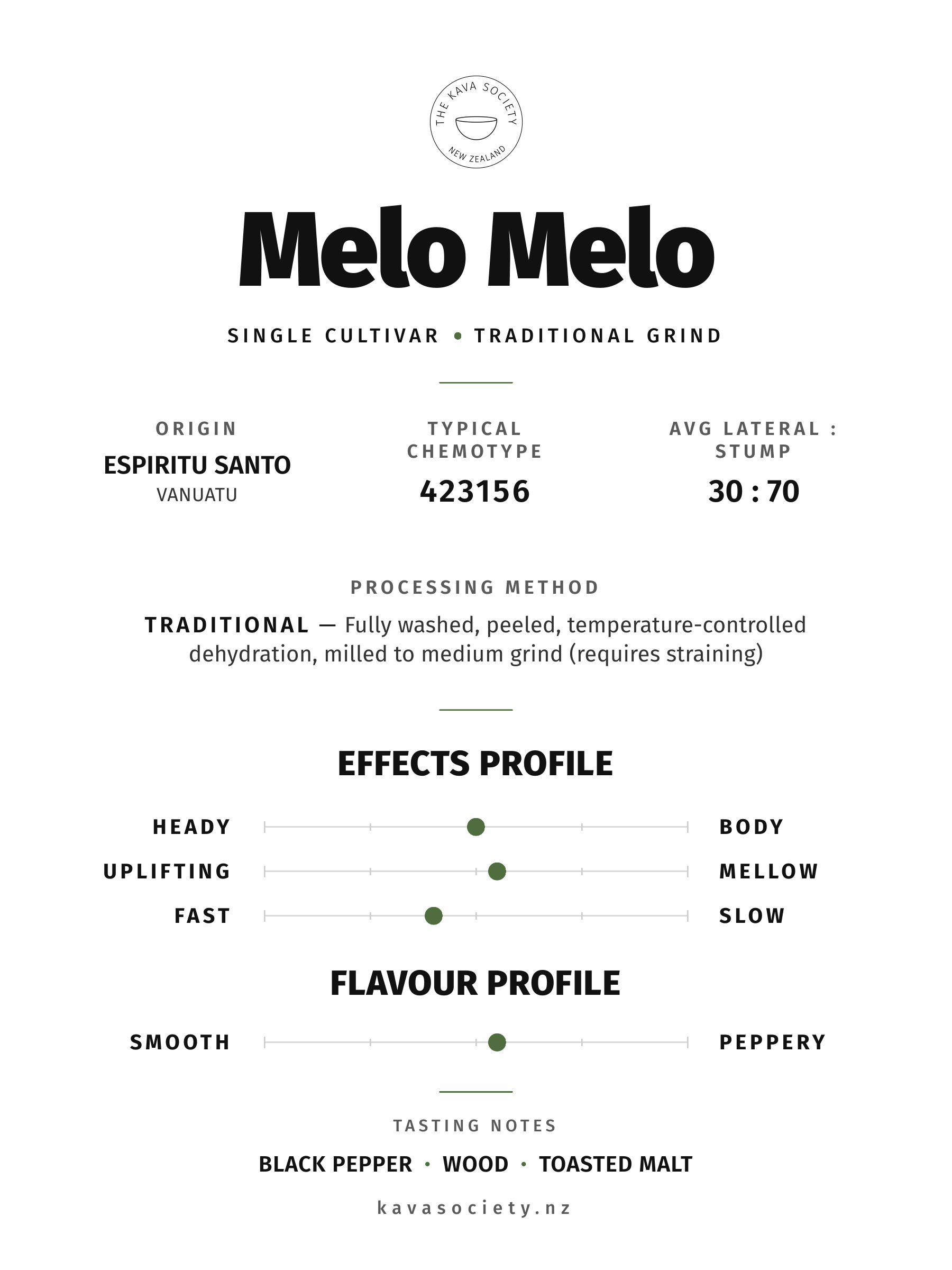
- The vendor names the specific cultivar (Borogu, Melo Melo, Palarasul, Kelai, etc.) and the cultivar appears on the Vanuatu Kava Act's schedule of legal export cultivars.
- The vendor publishes a Certificate of Analysis showing kavalactone ratios. Non-noble kavas have a distinctive K/DHM ratio below 1, which a published COA will reveal.
- The vendor speaks about kava as a traditional beverage with cultural roots, not just as a product.
2. Prefer single cultivars or transparently sourced blends
Noble kava is the bare minimum. Beyond that, the next question is: what specifically are you drinking?
The most transparent option is a single cultivar from a named region or farm. You know exactly what you're getting, and so does the vendor. Vanuatu single cultivars in particular have been carefully selected over millennia for their character profiles (see our interview with Dr Vincent Lebot for the history of how this came about).
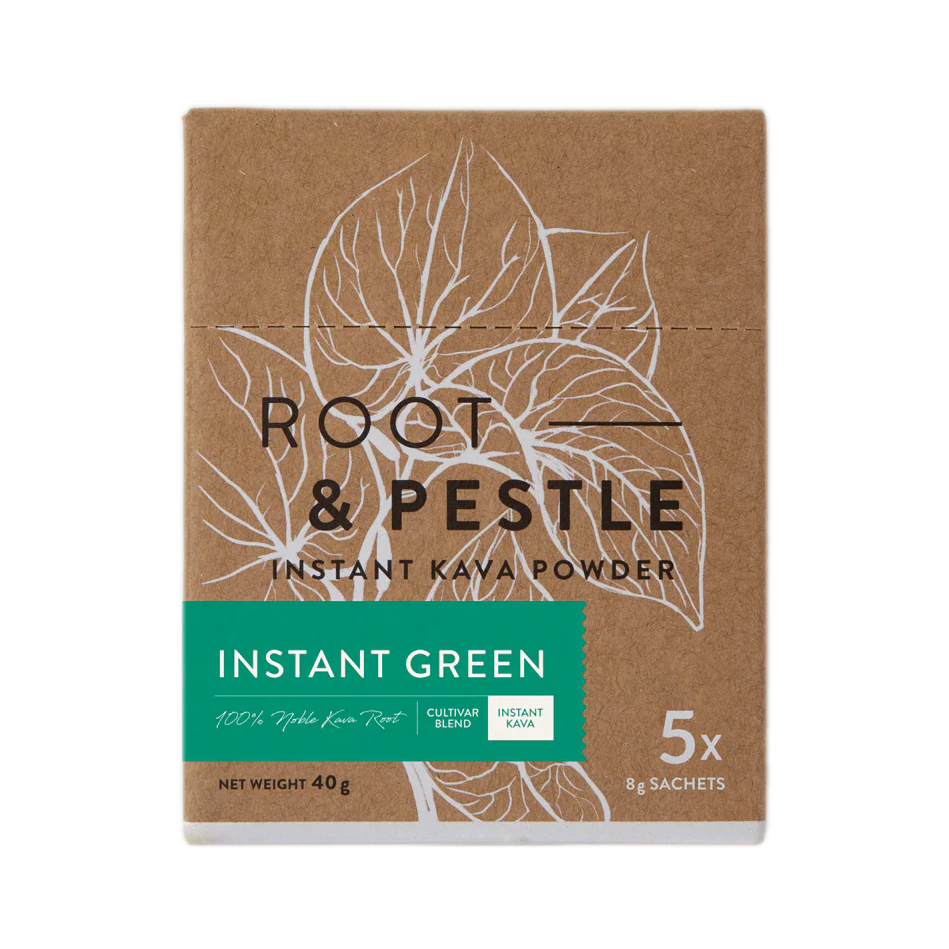
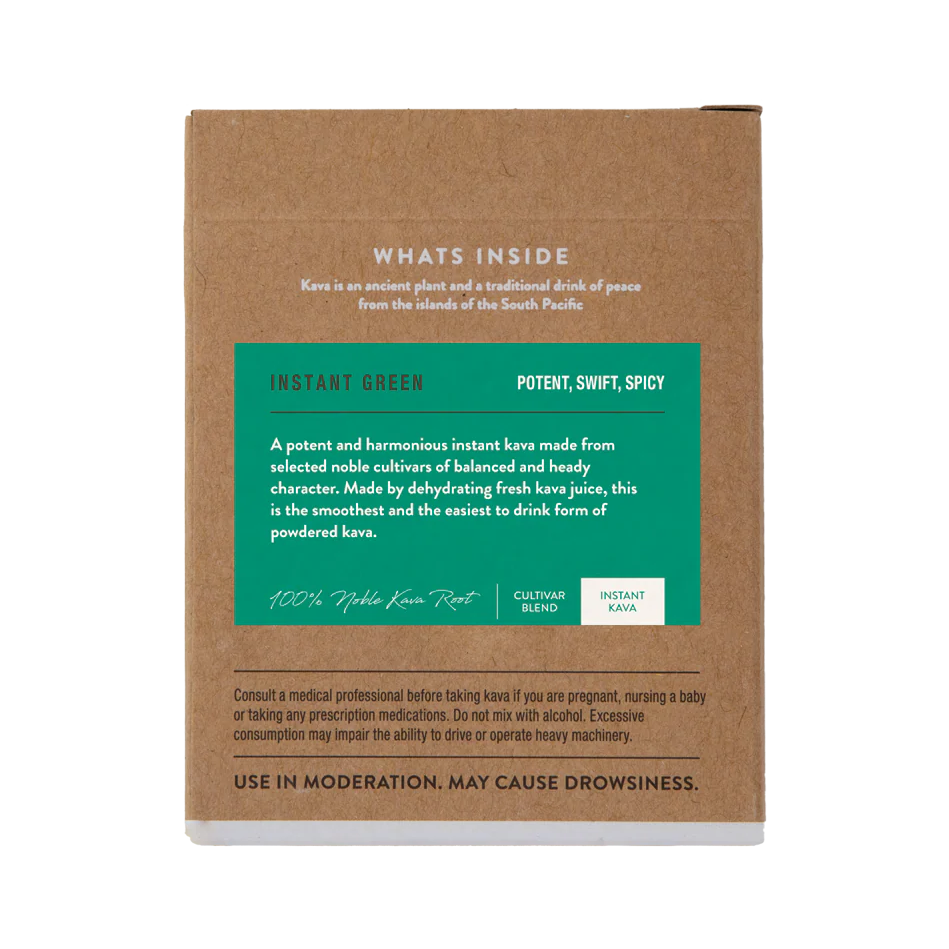
Blends are not inherently worse than single cultivars; some excellent kavas are blends. Our own Pacific Elixir (traditional grind) and Instant Green (instant) are blends crafted for consistent, balanced character. The question for any blend is whether the vendor tells you which cultivars are in it, where they come from, and roughly in what proportions. An honest blend disclosure should let you understand what you're drinking.
The least transparent option is unlabelled "kava" with no cultivar, no region, no farm. This category dominates the cheap end of the market for a reason.
3. Look for premium processing you can verify
A lot can go wrong between harvest and your shell, and most of it is invisible. Our friends at Root and Pestle have written about the 17 production steps involved in producing high-quality kava powder. You don't need to memorise all 17, but a few things are worth knowing.
HACCP certification. Hazard Analysis and Critical Control Points is the international gold standard for food-grade processing. A HACCP-certified facility has documented procedures, monitoring, and verification at every stage. Most kava is not produced in HACCP-certified facilities.
Batch lab testing. Quality kava is tested by batch, and the results are published. Look for kavalactone analysis (ideally via UHPLC, not just older HPLC), microbiological testing, and contaminant screening. A vendor should publish a COA for every batch they sell.
Freshly harvested. Kava begins oxidising the moment it leaves the soil. Processing within hours of harvest produces a noticeably better powder than processing days or weeks later. The best processors are based in the kava-growing regions themselves.
Lateral vs basal roots. Lateral roots are more potent in kavalactones than basal roots (stumps). An honest vendor will tell you the ratio in the product description.
4. Understand the forms
There are two forms of kava we sell and recommend, plus a third worth knowing about so you can recognise it.
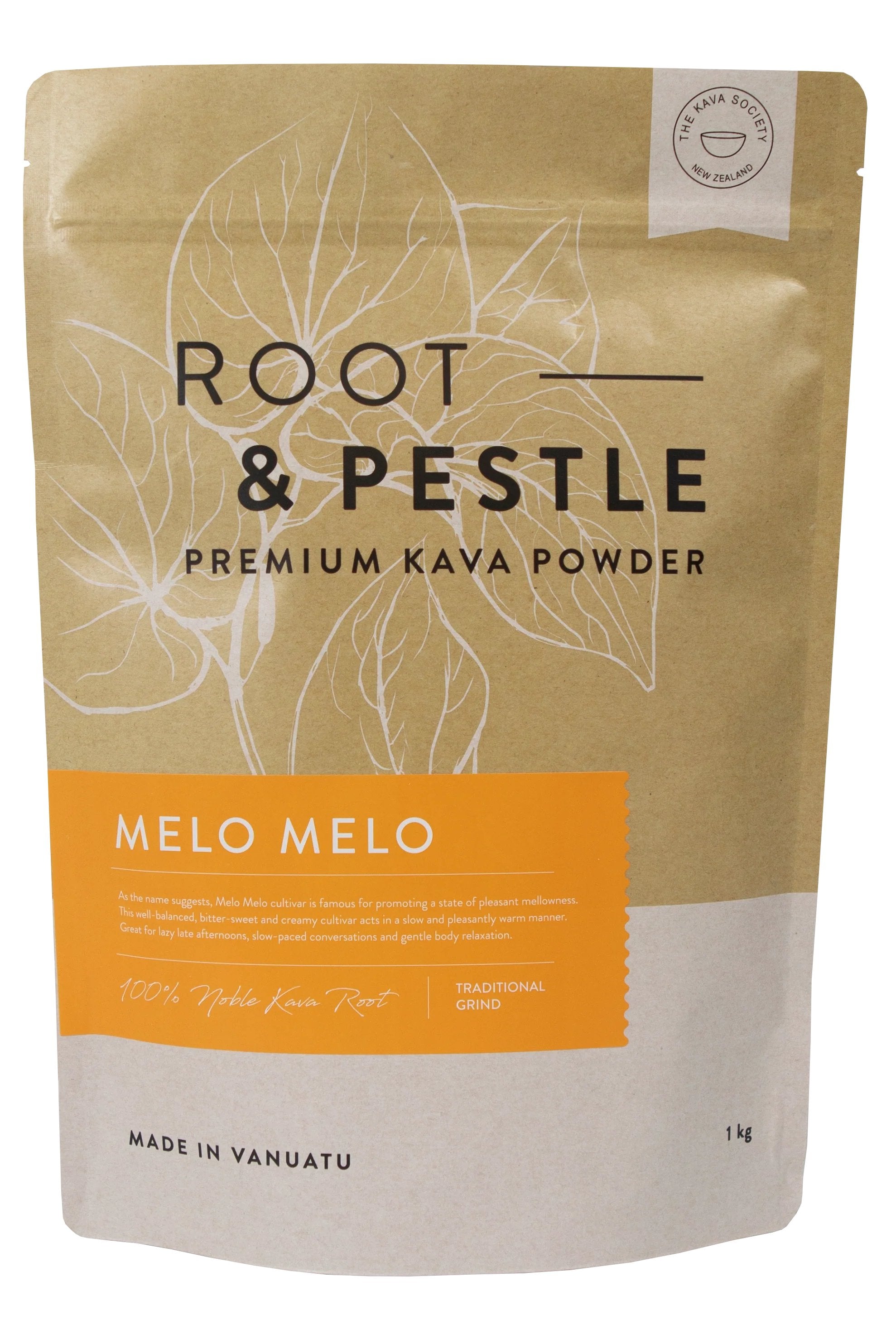
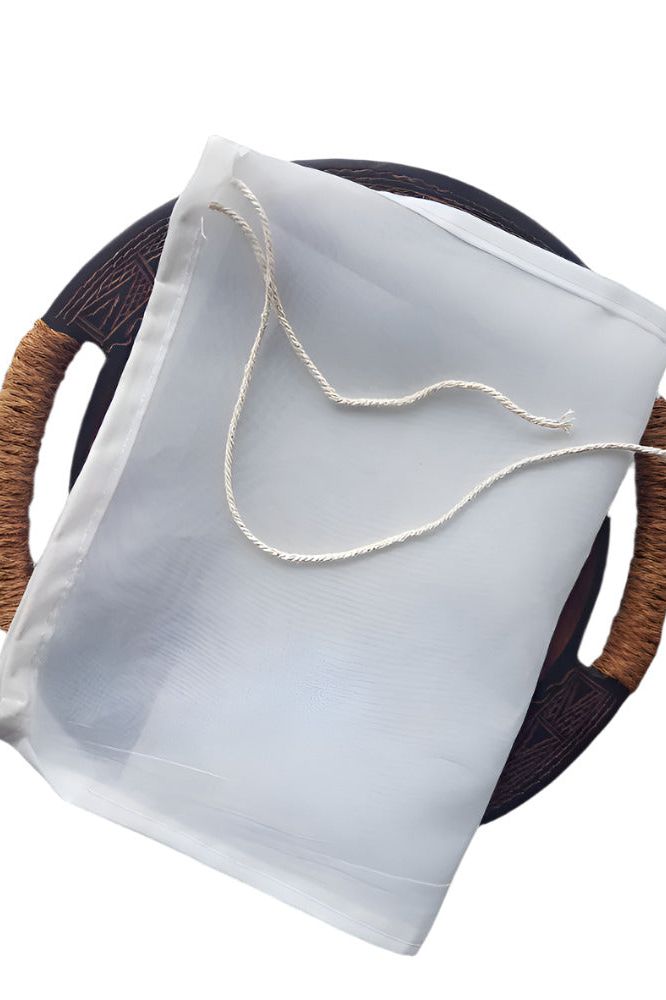
Traditional grind is dried, ground kava root that you knead in water and strain through a bag before drinking. It's the most authentic form and the most economical, but it requires preparation time and a proper strainer bag.
Instant kava is dried kava root with the insoluble fibres removed using water. You mix it directly into water and drink. Smoother, more convenient, and more expensive than traditional grind.
Micronised kava is traditional grind ground into a powder fine enough to drink without straining. We don't sell or recommend it. The problem is that the coarse, woody fibres aren't filtered out; you drink them. In larger quantities they can cause nausea. Some vendors call their micronised kava "instant" because the word is associated with higher quality. They are not the same thing.
For a deeper comparison see our guide to the different forms of kava.
5. The price floor exists for a reason
Properly farmed, processed and exported noble kava can never be dirt cheap. The plant takes 3 to 5 years to grow, is harvested by hand on small farms in remote Pacific islands, must be cleaned and peeled and dried in food-grade conditions, then exported via expensive and unreliable Pacific freight. There is a price floor below which quality kava simply cannot be delivered.
We've written about what determines the price of kava in more detail. The short version: if a kava is priced significantly below the cost of its raw materials, something is wrong. The most common explanations are non-noble cultivars (cheaper to grow), poor processing (cheaper to do), short-weighed packaging, under-dried kava (you're paying for water weight), or outright adulteration with starch fillers.
The headline price per kilogram is not the right metric. What matters is the cost per session. A cheap, weak kava that requires 60g per session is not a better deal than a quality kava that requires 35g per session. Once you factor in the actual experience and the amount used, the gap between budget kava and quality noble kava is usually much smaller than it first appears.
Red flags
A short checklist when you're evaluating a kava you haven't tried before:
- No cultivar name listed.
- No region or farm attribution.
- No batch information or published lab testing.
- Vague "premium" or "high-quality" claims without specifics.
- Kavalactone percentage not disclosed.
- Lateral-to-basal root ratio not disclosed.
- A price that seems too good to be true.
- A vendor who doesn't appear to drink the product themselves.
- Anything labelled "extract", "concentrate", or "tincture" (these are illegal as food in New Zealand under FSANZ Standard 2.6.3).
A final note
Yes, we sell kava, and we think the kava we sell holds up to every test in this guide. Our Certificates of Analysis and processing details are published for anyone who wants to check. But the goal of this post is to help you buy good kava, full stop. The kava industry is small and has plenty of room to grow if drinkers learn to recognise quality. We'd rather see that than continue to share a market with cheap, weak, or non-noble alternatives that turn people off the plant after a single bad experience.
If you're new to kava and not sure where to start, our quick guide for new drinkers walks through forms, character types, and a few beginner picks.









%20comes%20down%20to%20three%20things.%20Only%20buy%20noble%20cultivars%20(never%20tudei%20or%20non-noble).%20Prefer%20single%20cultivars%20or%20blends%20with%20transparent%20sourcin...)
Leave a comment
This site is protected by hCaptcha and the hCaptcha Privacy Policy and Terms of Service apply.